

WeVote

Bill

Bill

HR 8338

SAFER Act of 2026

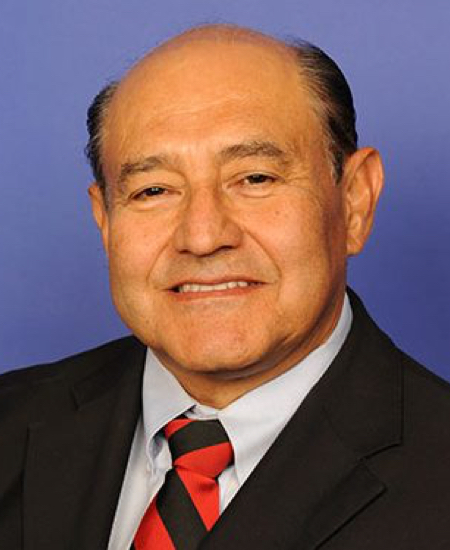
119th Congress Introduced by Lou Correa and 1 co-sponsor

Protects individuals from premature seizure of assets held by financial institutions under state escheat laws, including securities and digital assets.

Introduced in House
0
WeVote Research Nonpartisan
Bill Summary · HR 8338

Summary of HR 8338 (119th Congress)

Title: To prevent the premature seizure of an individual's securities, digital assets, or investment accounts in the custody of a financial institution under State escheatment laws, and for other purposes.

Purpose and Intent

  • The bill seeks to protect individuals from premature or improper seizure of their financial assets (including securities, digital assets, and investment accounts) that are held by financial institutions and subject to state escheatment laws.
  • Aims to ensure that escheatment (the process by which unclaimed or abandoned property is turned over to the state) does not occur prematurely, allowing rightful owners to retain or recover access to their assets in a timely manner.

Key Provisions and Changes (as described by the bill’s title and subject)

  • Escheatment Protections: The core objective is to prevent the government from prematurely seizing assets held by financial institutions when those assets may still reasonably belong to identifiable owners.
  • Coverage of Assets: Explicitly references securities, digital assets (e.g., cryptocurrencies/digital holdings), and traditional investment accounts. This signals a broad scope intended to include both traditional and novel asset classes.
  • Custody by Financial Institutions: Focuses on assets that are in the custody of banks, brokers, or other financial institutions rather than solely assets in an individual’s direct possession.
  • State Escheat Law Interaction: Addresses the interaction between federal concerns and state escheatment laws, potentially creating a guardrail against applying escheatment in a way that would seize assets prematurely.
  • Other Purposes: The title indicates additional related measures may be included to ensure asset protection within escheatment processes, though specific text is not provided in the summary.

Who Would Be Affected

  • Individual asset owners whose securities, digital assets, or investment accounts are held by financial institutions and are subject to state escheatment procedures.
  • Financial institutions (banks, brokerage firms, custodians) that hold such assets and are subject to escheatment processes under state law.
  • State governments administering escheatment laws and procedures would be impacted by statutory guardrails or new requirements intended to prevent premature seizures.

Procedural and Timeline Aspects

  • Introduction: HR 8338 was introduced in the House and referred to the House Committee on Financial Services on 2026-04-16.
  • Action History: Bill has an initial step in committee consideration, which may involve hearing, amendments, and reporting before potential floor action.
  • Sponsor: Co-sponsor named, Mike Lawler, indicating bipartisan or collaborative interest in addressing escheatment concerns.

Potential Impacts and Considerations

  • Legal Certainty: Could provide clearer protections for claimants, reducing the risk of losses due to premature escheatment.
  • Asset Class Relevance: By including digital assets, the bill acknowledges evolving asset landscapes and the custody challenges associated with crypto and other digital holdings.
  • Financial Institutions: May require changes to internal policies and escheatment workflows to ensure compliance with the new protections.
  • State Law Alignment: The bill may create federal guardrails that interact with diverse state escheatment regimes, potentially leading to harmonization efforts or conflicts needing resolution.

Note

  • Detailed text and specific statutory language are not provided here. For precise provisions, definitions (e.g., what constitutes “premature” seizure or “digital assets”), and implementation mechanisms, refer to the bill’s full text and any accompanying congressional summaries or analyses.

Compiled from official sources — confirm details with the bill’s official record.

Sign in to ask a question.