

WeVote

Bill

Bill

HR 6923

Jobs for a Carbon Free Transportation System Act

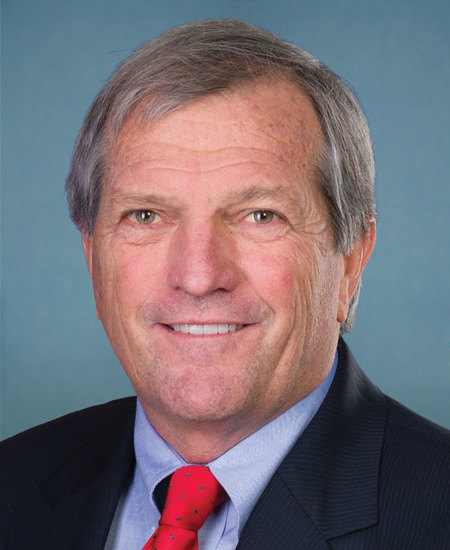
119th Congress Introduced by Mark DeSaulnier

HR 6923 would incentivize carbon-reducing transport corridors, offer tax incentives to expand public transit, and fund worker retraining to move fossil fuel jobs into clean energy.

Referred to the Subcommittee on Highways and Transit.
1
WeVote Research Nonpartisan
Bill Summary · HR 6923

Summary of HR 6923 (Introducing Date: December 23, 2025)

Purpose and goals

HR 6923 aims to advance clean transportation and workforce transition by:
- Incentivizing the development of innovative transportation corridors that reduce carbon emissions and greenhouse gases (GHG).
- Establishing a tax structure to encourage investments in public transportation systems.
- Supporting a pathway for workers in the fossil fuel sector to transition into sustainable industries or roles.

Key provisions (high-level)

  • Incentives for transportation corridors: The bill seeks to promote the planning, construction, and operation of innovative transportation corridors designed to lower carbon intensity and overall GHG emissions. Details on eligible projects, metrics, and funding mechanisms are not specified in the available information.
  • Tax structure for public transit investments: The bill would create or modify tax provisions to encourage private and/or public investment in public transportation systems. This may involve favorable tax treatment for investments in transit infrastructure, equipment, or operations, though exact mechanisms (e.g., credits, deductions, or subsidies) are not spelled out in the summary.
  • Workforce transition for fossil fuel industries: The bill envisions policies or programs to help workers in fossil fuel-related jobs transition to sustainable or alternative energy sectors. Potential elements might include training, job placement support, and financing for retraining, but specifics are not provided here.

Who is affected

  • Public transportation agencies and operators: Eligible projects and financing structures could affect how transit projects are planned and funded.
  • Private investors and businesses involved in transit infrastructure: Tax incentives may influence investment decisions in public transportation.
  • Fossil fuel workers and related industries: Programs or policies intended to assist retraining and transition into greener sectors.
  • General taxpayers and tax system: Changes to tax structures related to public transit investments could impact revenue and incentives.

Procedural status and timeline

  • Introduced in the U.S. House of Representatives on December 23, 2025.
  • Referred on the same date to multiple committees:
    • Committee on Transportation and Infrastructure
    • Committee on Ways and Means
    • Committee on Education and Workforce
    • Committee on Energy and Commerce
  • For a period to be determined by the Speaker, each committee will consider provisions falling within its jurisdiction.
  • No further legislative actions (e.g., amendments, votes) are listed in the provided information; the timeline depends on committee consideration and subsequent floor action.

Notes

  • The summary reflects the information available and does not include specific numerical provisions (such as dollar amounts, credits, or program budgets) that may be introduced in the bill text or amendments.
  • As introduced, the bill outlines broad objectives and the general areas of reform without detailed implementation mechanics.

Compiled from official sources — confirm details with the bill’s official record.

Sign in to ask a question.