

Bill
Sponsor avatar

BILL • US HOUSE

HR 9021

To improve response to, and preparation for, heat waves and extreme heat, and for other purposes.

119th Congress
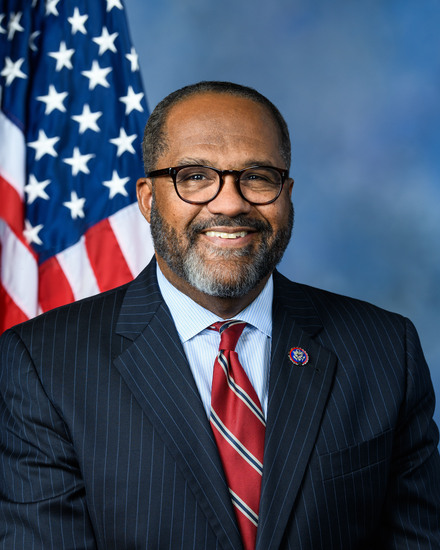
Introduced by Troy Carter, Kathy Castor, Jasmine Crockett and 7 other co-sponsors

HR 9021 would strengthen federal and local readiness for extreme heat by funding and coordinating cooling, health surveillance, and protections to reduce heat-related harms.

Introduced in House
0
0
Bill Summary · HR 9021

Summary of HR 9021 (119th Congress)

Purpose and Intent

  • HR 9021 aims to improve the United States’ response to heat waves and extreme heat and to strengthen preparation for heat-related events. The bill appears to address public health, emergency preparedness, and resilience in the face of rising temperatures and heat waves, with additional provisions potentially spanning related areas such as energy, infrastructure, and workforce protections.

Key Provisions and Changes (as described by bill text and typical scope)

Note: The exact statutory language is not provided here, but based on the title and typical legislative pattern for heat-related legislation, expected areas likely include:
- Enhancing federal coordination and planning for extreme heat events across agencies.
- Providing funding or grants to state and local governments, public health departments, and communities for heat mitigation projects (e.g., cooling centers, heat alert systems, urban cooling initiatives, tree canopy expansion).
- Supporting heat-health surveillance, early warning systems, and public communication campaigns to reduce heat-related morbidity and mortality.
- Strengthening workforce protections for outdoor workers (e.g., hydration, shaded rest breaks, scheduling) and ensuring safer working conditions during extreme heat.
- Promoting resilience in critical infrastructure (power grids, transportation, water systems) to withstand heat stress and avoid outages.
- Encouraging research and data collection on heat risks, health impacts, and effective adaptation strategies.
- Potentially aligning with energy policy to promote access to affordable cooling (air conditioning) while balancing energy efficiency and grid reliability.

Who and What Would Be Affected

  • Federal agencies and departments responsible for health, labor, energy, environment, science, education, and commerce would coordinate and implement provisions.
  • State and local governments would receive guidance, funding, or both to implement heat mitigation and preparedness measures.
  • Employers, particularly those with outdoor or high-heat occupations, could face new or reinforced requirements for worker safety during heat events.
  • Public health agencies and healthcare providers would be involved in heat-related surveillance and emergency response.
  • Communities vulnerable to extreme heat (urban areas with heat islands, low-income populations, elderly, and outdoor workers) would benefit from expanded cooling resources, cooling centers, and targeted outreach.

Procedural and Timeline Aspects

  • Status: Introduced in the House and referred on May 22, 2026.
  • Referred to multiple committees: Financial Services; and in addition to Science, Space, and Technology; Energy and Commerce; Ways and Means; Education and Workforce. The referral to multiple committees suggests a broad, cross-cutting set of provisions spanning health, labor, energy, finance, education, and infrastructure.
  • No specific funding levels, grant programs, or sunset dates are provided in the summary text here. Detailed timelines, appropriations, and implementation schedules would be defined in the bill’s text and any accompanying committee reports or amendments.
  • As a 2026 introduced bill, it would follow standard House procedures, potentially moving to mark up, floor consideration, and, if passed, coordination with the Senate and potential conference if the two chambers differ.

Additional Context

  • The bill has multiple co-sponsors from both parties, indicating bipartisan interest in addressing heat and extreme heat preparedness.
  • Given the title, the emphasis is on prevention, preparedness, and resilience rather than solely on reactive emergency response.

If you’d like, I can tailor this summary to emphasize specific sections once you provide the bill’s text or any committee reports, including concrete funding amounts, program names, or regulatory changes.

Hi! I'm your AI assistant for HR 9021. I can help you understand its provisions, impacts, and answer any questions.

Key Provisions Impacts Timeline
Sign in to chat

Start the Conversation

Be the first to share your thoughts on this petition. Your voice matters!

Share your opinion above