

WeVote

Bill

Bill

HR 5361

George Floyd Justice in Policing Act of 2025

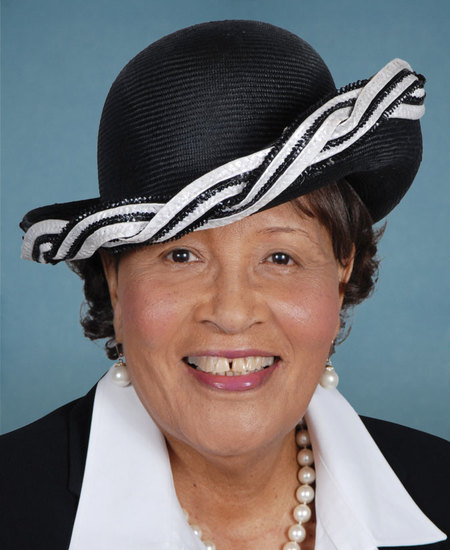
119th Congress Introduced by Alma Adams and 125 co-sponsors

The George Floyd Justice in Policing Act of 2025 boosts police accountability, mandates transparency, and bans racial profiling to protect civil rights and foster community trust.

Introduced in House
0
WeVote Research Nonpartisan
Bill Summary · HR 5361

Summary of HR 5361: George Floyd Justice in Policing Act of 2025

Bill Number: HR 5361
Introduced: September 15, 2025
Status: Introduced in House
Primary Sponsor: Glenn Ivey
Cosponsors: Over 100 members of Congress

Purpose and Intent

The George Floyd Justice in Policing Act of 2025 aims to address systemic issues within law enforcement agencies across the United States. The bill seeks to enhance police accountability, improve transparency, and implement reforms to prevent racial profiling and excessive use of force. This legislation is a response to ongoing calls for police reform following high-profile incidents of police violence, including the death of George Floyd.

Key Provisions

Title I: Police Accountability

  • Deprivation of Rights Under Color of Law: Strengthens legal frameworks to hold law enforcement accountable for civil rights violations.
  • Qualified Immunity Reform: Modifies the doctrine of qualified immunity to allow for greater accountability of police officers in civil lawsuits.
  • Pattern and Practice Investigations: Authorizes the Department of Justice to conduct investigations into police departments suspected of systemic misconduct.
  • Independent Investigations: Establishes protocols for independent investigations of police misconduct.

Title II: Policing Transparency Through Data

  • National Police Misconduct Registry: Creates a national database to track police misconduct, enhancing transparency and accountability.
  • Use of Force Reporting: Mandates comprehensive reporting on use of force incidents by law enforcement agencies.

Title III: Improving Police Training and Policies

  • End Racial and Religious Profiling Act: Prohibits racial profiling and requires law enforcement agencies to adopt policies to eliminate such practices.
  • Training on Racial Bias: Requires training programs for law enforcement on racial bias and the duty to intervene in cases of misconduct.
  • Ban on No-Knock Warrants: Prohibits the use of no-knock warrants in drug-related cases.

Title IV: Closing the Law Enforcement Consent Loophole

  • Prohibition on Sexual Acts Under Color of Law: Criminalizes engaging in sexual acts while acting in an official capacity.

Title V: Miscellaneous Provisions

  • Severability and Savings Clause: Ensures that if any provision of the Act is found invalid, the remaining provisions will still apply.

Impact

The bill is designed to impact law enforcement agencies at the federal, state, and local levels by:
- Increasing accountability for police misconduct.
- Enhancing data collection and transparency regarding police practices.
- Providing federal support for training and reform initiatives.
- Protecting the civil rights of individuals, particularly marginalized communities.

Procedural Aspects

  • The bill was referred to the Committee on the Judiciary and additional committees for further consideration.
  • The legislative process will involve discussions, potential amendments, and votes in both the House and Senate before it can be enacted into law.

Conclusion

The George Floyd Justice in Policing Act of 2025 represents a significant effort to reform policing practices in the United States. By focusing on accountability, transparency, and the elimination of discriminatory practices, the bill aims to foster trust between law enforcement and the communities they serve.

Compiled from official sources — confirm details with the bill’s official record.

Sign in to ask a question.