

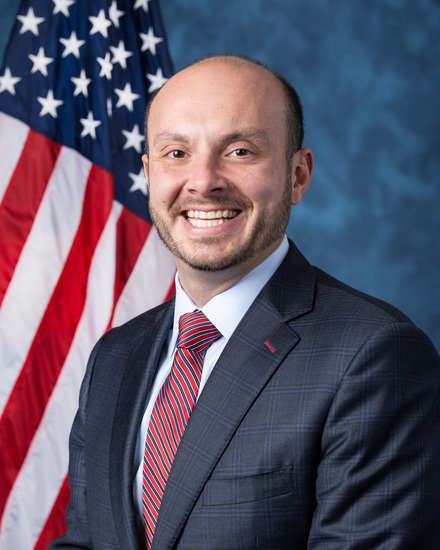
Summary of HR 8789 (119th Congress)
Purpose and intent
HR 8789 seeks to expand eligibility for certain housing programs to qualified volunteer first responders. The bill aims to broaden access to existing housing-related assistance and benefits for individuals who serve as volunteers in first-responder roles, recognizing their service and potential barriers to obtaining affordable housing.
Key provisions and changes
Eligibility expansion for housing programs: The bill broadens the criteria used to determine who qualifies for specific housing programs. This could include programs that provide rental assistance, homeownership support, or other housing-related benefits previously limited to specific groups (e.g., full-time public safety personnel). The exact program names and eligibility thresholds are not specified in the summary, but the intent is to include qualified volunteer first responders.
Definition of qualified volunteer first responders: The legislation creates or clarifies criteria to identify individuals who qualify as volunteer first responders for the purposes of the expanded housing eligibility. This may include volunteers affiliated with fire departments, emergency medical services, or other recognized first-responder organizations.
Affirmation of program administration: The bill may establish or reinforce who administers the expanded eligibility (e.g., a particular federal agency or department responsible for housing programs). It could also outline coordination requirements with existing programs to ensure consistent application of benefits.
Non-discrimination and outreach provisions: Implicit in such expansions are provisions to ensure fair access across eligible volunteers and to promote awareness of the expanded benefits to affected communities.
Who would be affected
Qualified volunteer first responders and their households: Individuals who volunteer with recognized fire departments, EMS, or related emergency response organizations that meet the bill’s criteria would gain access to housing program benefits previously unavailable to them or limited to certain categories of employees.
Housing program administrators: Agencies responsible for administering housing benefits would implement the expanded eligibility criteria, adjust intake processes, and ensure compliance with the new rules.
Communities served by volunteer responders: By enabling housing support for volunteers, districts and municipalities relying on volunteer first responders may experience indirect effects, such as improved recruitment and retention related to housing assistance.
Procedural and timeline aspects
Introductory action: The bill was introduced in the House and referred to the House Committee on Financial Services (May 13, 2026). This committee typically handles matters related to housing finance, insurance, and related financial programs.
Next steps in legislation: After committee consideration, the bill could be reported back to the full House for a vote, potentially followed by action in the Senate. If passed, it would require reconciliation between House and Senate versions and presidential signature to become law.
Observations
- The summary does not specify the exact housing programs affected, the precise eligibility metrics, funding implications, or potential cost estimates. Stakeholders will likely seek detailed language on:
- Which programs are included (e.g., rental assistance, homebuyer programs, housing vouchers).
- Eligibility thresholds (service hours, deployment history, or affiliation requirements).
- Any associated funding or appropriation to support expanded participation.
- Compliance, anti-fraud measures, and administration logistics.
This overview provides a high-level understanding of the bill’s intent to broaden housing program access for qualified volunteer first responders and outlines the likely areas of impact and process.
Start the Conversation
Be the first to share your thoughts on this petition. Your voice matters!