

WeVote

Bill

Bill

HR 9311

To exempt certain covered projects from the requirements of chapter 83 of title 41, United States Code, or any regulation or guidance issued for such chapter.

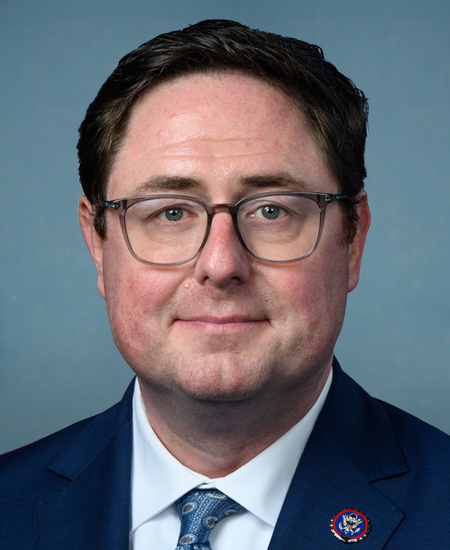
119th Congress Introduced by Mike Flood and 1 co-sponsor

The bill would exempt designated "covered projects" from federal procurement rules and related oversight under Chapter 83 of Title 41.

Introduced in House
0
WeVote Research Nonpartisan
Bill Summary · HR 9311

Bill Summary: HR 9311 (119th Congress)

Purpose and Intent

HR 9311 seeks to exempt certain “covered projects” from the requirements of Chapter 83 of Title 41, United States Code, and from regulations or guidance issued to implement that chapter. In practical terms, the bill aims to remove federal procurement rules and related regulatory oversight for a defined set of projects, subject to the bill’s criteria. Co-sponsors include Rep. Mike Flood and Rep. Maggie Goodlander.

Key Provisions and Changes

  • Exemption Target: The bill designates a subset of projects as “covered projects” that would be relieved from the requirements normally imposed by Chapter 83 of Title 41 (the federal procurement framework that governs how the federal government acquires goods and services).
  • Scope of Relief: Once a project is designated as covered under the bill, applicable procurement rules, regulations, and guidance issued under Chapter 83 would not apply to those projects. This could affect standards for
    • bidding and competition,
    • contract formation and administration,
    • reporting and transparency requirements,
    • audit and compliance processes.
  • Regulatory Guidance: Any regulations or guidance created under Chapter 83 would similarly be inapplicable to the covered projects.
  • Definition and Criteria: The bill would define what qualifies as a “covered project” and outline the process or criteria for designating projects as covered. (Details such as eligibility thresholds, timelines, and potential exceptions would be specified in the bill text.)
  • Implementation Mechanics: There would be provisions governing how agencies determine coverage, how designation is documented, and how existing contracts or procurement actions might transition if a project becomes or ceases to be covered.

Who/What Is Affected

  • Federal Agencies: Agencies administering federal procurements for eligible projects would adjust their procurement practices accordingly for covered projects.
  • Contracting Activities: Bidding processes, contractor selection, contract administration, and compliance activities related to covered projects would be exempt from Chapter 83 requirements.
  • Regulatory Framework: Regulations and guidance under Chapter 83 would not apply to these projects, potentially altering oversight, reporting, and transparency obligations.

Procedural and Timeline Aspects

  • Introduced and Referral: The bill was introduced in the House and referred to the House Committee on Financial Services on June 15, 2026.
  • Next Steps: If advanced, it would move through committee consideration, potential amendments, and floor votes in the House. If enacted, the changes would take effect according to the bill’s specified effective date, which would be stated in the text.

Potential Impacts and Considerations

  • Competition and Accountability: Exemptions could reduce federal procurement safeguards, competition requirements, and accountability mechanisms for covered projects, depending on the resulting design and oversight language.
  • Implementation Burden on Agencies: Agencies would need to determine which projects qualify and manage any transition plans, ensuring consistency with other procurement laws and policies.
  • Policy Trade-offs: Supporters may argue that exemptions streamline or accelerate certain projects, while opponents may raise concerns about reduced transparency or potential favoritism.

Note: This summary is based on the bill’s title and the available action history. For a comprehensive understanding, the full text of HR 9311 and any amendments should be reviewed to identify precise definitions, eligibility criteria, implementing standards, sunset clauses, and any reporting requirements.

Compiled from official sources — confirm details with the bill’s official record.

Sign in to ask a question.