Overview
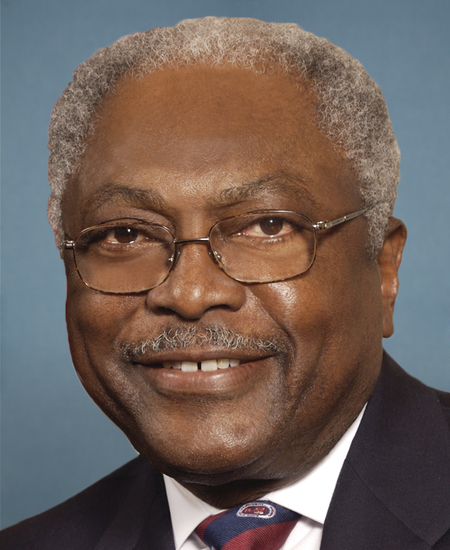
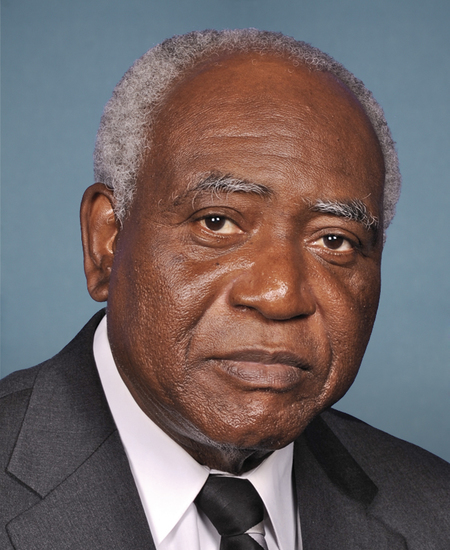
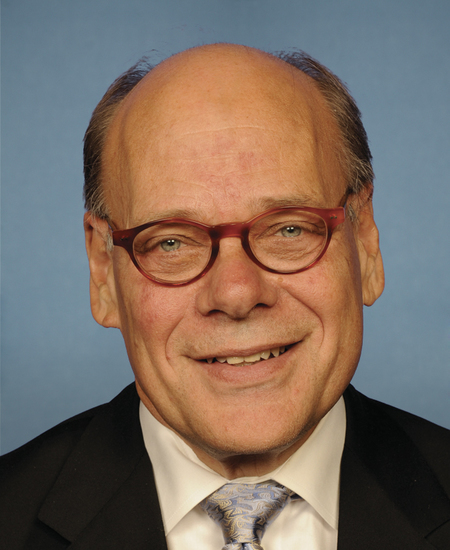
HR 8887, introduced in the 119th Congress, seeks to establish the Julius Rosenwald and Rosenwald Schools National Historical Park and to authorize related measures. The bill is currently referred to the House Committee on Natural Resources (as of May 19, 2026). It has three listed co-sponsors: Reps. Danny Davis, Jim Clyburn, and Steve Cohen.
Purpose and intent
- Create a new National Historical Park dedicated to Julius Rosenwald and Rosenwald Schools. The park would recognize the historical significance of Julius Rosenwald (co-founder of Sears, Roebuck and Company) and the Rosenwald Schools, which were established in the early to mid-20th century to educate African American children in the segregated South.
- Provide a formal framework to preserve, interpret, and commemorate the history and impact of Rosenwald-funded schools and Rosenwald-related educational initiatives.
Key provisions and changes the bill would make
- Establishment of a Julius Rosenwald and Rosenwald Schools National Historical Park:
- Designation of a unit within the National Park Service (NPS) to manage, preserve, and interpret sites associated with Julius Rosenwald and the Rosenwald Schools.
- Possible authorization for the acquisition, protection, and stewardship of land, structures, and artifacts related to Rosenwald-funded schools, though specific acquisition authorities would typically be defined in the bill or subsequent managing regulations.
- Administration and management:
- Provisions likely to describe the governance structure (NPS responsibility) and liaison with local governments, preservation groups, and communities most connected to Rosenwald schools.
- Public-private partnerships or partnerships with non-profit organizations may be contemplated to support interpretation and programmatic activities.
- Interpretation and education:
- Authorization or guidance for developing educational programs, exhibits, and outreach to explain the historical significance of Rosenwald Schools in advancing African American education during segregation.
- Funding and operations:
- While specific appropriations are not stated in the summary, national historical parks typically authorize such activities and may include language allowing appropriations or accept donations and partnerships to support development and ongoing operations.
- Compatibility with existing laws:
- The bill would work within the framework of the National Park Service Organic Act and related federal park management authorities, including compliance with environmental, historical, and cultural preservation laws.
Who would be affected
- The National Park Service would assume lead responsibility for the park, its management, preservation, and interpretation.
- Communities, schools, and historical organizations connected to Julius Rosenwald and Rosenwald Schools—particularly in states with Rosenwald school buildings—would be stakeholders and beneficiaries of preservation and interpretive programs.
- Visitors and educators would gain access to new park resources, exhibits, and educational programming related to Rosenwald’s impact on Black education in the United States.
- Potential local partners, including historical societies and nonprofits, could participate in preservation efforts and programming.
Procedural and timeline aspects
- Current status: Introduced in the House and referred to the Committee on Natural Resources (May 19, 2026).
- Next steps typically include committee consideration, potential markup, and floor action in the House. If advanced, the bill could be sent to the Senate for its consideration.
- Any final enactment would require passage by both chambers and signatures by the President.
Notes
- The summary reflects the information available from the bill description and action history. Specifics such as exact discovery, boundaries, funding levels, and management details would be fleshed out in the full text and any accompanying committee reports or amendments.



Start the Conversation
Be the first to share your thoughts on this petition. Your voice matters!