

WeVote

Bill

Bill

HR 4868

College Athlete Economic Freedom Act

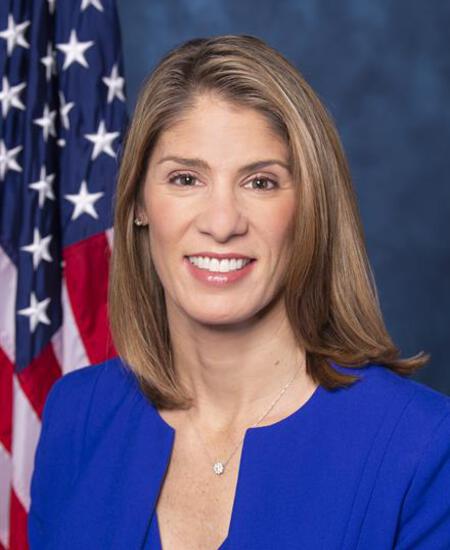
119th Congress Introduced by Lori Trahan

Summary of H.R. 4868: College Athlete Economic Freedom Act OverviewThe College Athlete Economic Freedom Act is a bill introduced in the U.S. House of Representatives that aims to a

Introduced in House
1
WeVote Research Nonpartisan
Bill Summary · HR 4868

Summary of H.R. 4868: College Athlete Economic Freedom Act

Overview

The College Athlete Economic Freedom Act is a bill introduced in the U.S. House of Representatives that aims to allow college athletes to profit from the use of their name, image, and likeness (NIL). The bill seeks to establish new rights and protections for NCAA student-athletes, while also setting national standards to govern how colleges and universities can regulate NIL activities.

Key Provisions

  • Prohibits the NCAA, its member institutions, and athletic conferences from preventing college athletes from:
    • Earning compensation for the use of their NIL
    • Obtaining professional representation, such as an agent or attorney, to assist with NIL activities
  • Requires colleges and universities to allow student-athletes to earn NIL compensation, as long as it is consistent with the bill's guidelines
  • Establishes standards for how colleges can regulate NIL activities, including requirements around disclosure, conflict of interest, and the percentage of NIL compensation that can be used for educational expenses
  • Creates a private right of action that allows student-athletes to sue if their NIL rights are violated

Affected Parties

  • NCAA Division I, II, and III student-athletes in all sports would gain the ability to profit from their name, image, and likeness
  • Colleges and universities that participate in NCAA athletics would need to update their policies and practices to comply with the bill's requirements
  • Companies and organizations that wish to engage in NIL deals with college athletes

Timeline and Next Steps

The College Athlete Economic Freedom Act was introduced in the House of Representatives on August 1, 2025. It has been referred to the House Committee on Education and Labor for further consideration. If passed by the House and Senate, and signed into law by the President, the provisions of the bill would take effect one year after the date of enactment.

Compiled from official sources — confirm details with the bill’s official record.

Sign in to ask a question.