

WeVote

Bill

Bill

HR 9123

To establish intelligence community funding restrictions on institutions of higher education that have a relationship with certain entities in the People's Republic of China, and for other purposes.

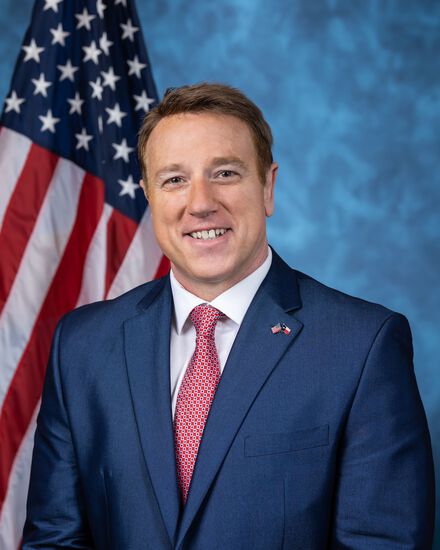
119th Congress Introduced by Pat Fallon

The bill would restrict intelligence-community funding to colleges and research centers that partner with designated PRC entities to enhance national security.

Introduced in House
0
WeVote Research Nonpartisan
Bill Summary · HR 9123

Overview

HR 9123, introduced in the 119th Congress, aims to impose funding restrictions from the intelligence community on institutions of higher education (IHEs) that have a relationship with certain entities in the People’s Republic of China (PRC). The bill seeks to tighten scrutiny and potential funding limitations on universities and related research institutions that engage with specified Chinese entities, with the broader goal of safeguarding national security and protecting sensitive information and capabilities.

Main purpose and intent

  • Limit or condition funding from U.S. intelligence community sources to IHEs that maintain relationships with designated PRC entities.
  • Strengthen national security by reducing potential leverage, influence, or access that may arise from collaborations between the U.S. higher education sector and certain PRC-connected organizations.
  • Create a framework for identifying, evaluating, and restricting financial or operational support to affected institutions.

Key provisions and changes (as described in bill title and summary)

  • Establishment of funding restrictions: The core provision directs the intelligence community to implement and enforce funding limitations on IHEs with specified PRC relationships.
  • Scope of “relations” or “entities”: The bill references “certain entities in the PRC.” While the exact list or criteria are not detailed in the summary, this typically involves PRC government-affiliated, military, defense, or other sensitive-sector actors, or entities subject to U.S. sanctions or export controls.
  • Funding mechanisms: The restrictions may cover grants, contracts, cooperative agreements, and other forms of financial support or collaboration provided by intelligence community-related funding streams.
  • Compliance and oversight: The bill likely contains provisions addressing how IHEs must comply, potential reporting requirements, and the role of intelligence community offices in monitoring adherence.
  • Penalties or consequences: Although not specified in the summary, such bills commonly include enforcement mechanisms, potential debarment from certain funding programs, or delayed/withheld grants to non-compliant institutions.

Who would be affected

  • Institutions of higher education (colleges, universities, and affiliated research centers) that have relationships or ongoing collaborations with designated PRC entities.
  • Administrative and research staff at affected IHEs who manage international collaborations, grants, or partnerships.
  • Potentially a broad subset of U.S. universities, especially those with China-linked partnerships, joint research programs, or Chinese-government-funded projects.
  • The intelligence community or federal agencies implementing the funding restrictions and enforcing compliance.

Procedural and timeline aspects

  • Introduction: The bill was introduced in the House.
  • Referral: On June 3, 2026, HR 9123 was referred to the House Permanent Select Committee on Intelligence.
  • Status: At the time of this summary, the bill has not advanced beyond referral to committee, meaning it has not yet moved through markup or floor consideration (as per the latest action history provided).

Potential implications

  • Universities may need to reassess international partnerships and funding arrangements to ensure compliance with the new restrictions.
  • Increased compliance and due diligence requirements for IHEs engaging with PRC-connected entities.
  • Possible impacts on international research collaborations, joint programs, and funding opportunities involving PRC-affiliated partners.
  • Broader signaling of stricter U.S. policy controls over higher education and research with foreign entities linked to the PRC, particularly in sensitive scientific or strategic fields.

Notable considerations for readers

  • The bill’s effectiveness and specifics depend on the detailed language, including which PRC entities are designated, the funding mechanisms affected, and the enforcement framework.
  • The timeline for potential implementation would depend on committee actions, floor passage, and any conference negotiations if the bill moves forward.
  • Sponsors and supporters, as well as potential amendments, could alter the scope and impact of the restrictions.

If you’d like, I can track amendments or provide a more detailed analysis once the bill’s text and committee report are available.

Compiled from official sources — confirm details with the bill’s official record.

Sign in to ask a question.