

WeVote

Bill

Bill

HR 10051

PERM Backlog Reduction Act of 2026

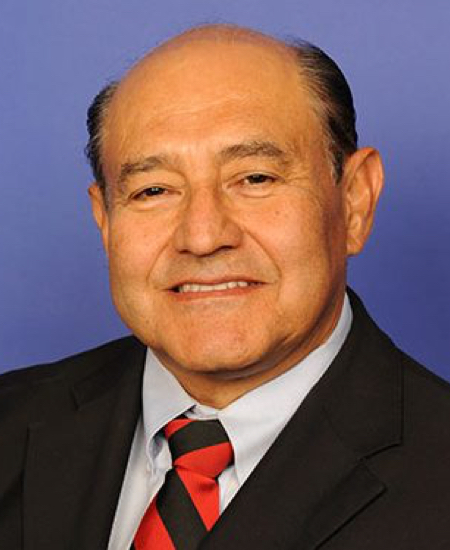
119th Congress Introduced by Lou Correa and 2 co-sponsors

HR 10051 would create an optional expedited processing track for permanent labor certification with new fees to fund it, aiming to speed up decisions for participating employers.

Introduced in House
0
WeVote Research Nonpartisan
Bill Summary · HR 10051

Overview

HR 10051, introduced in the 119th Congress, proposes the creation of an optional program designed to expedite the processing of forms required to obtain a permanent labor certification. The bill would establish and collect fees tied to this expedited processing and outlines related purposes and provisions beyond speedier certification.

Purpose and intent

  • Create an optional expedited processing track for permanent labor certification applications.
  • Establish a mechanism to fund the expedited program through new fees.
  • Provide faster processing to employers and petitioners seeking permanent labor certification, potentially reducing wait times for labor certification decisions.

Key provisions and changes

  • Optional expedited program: The bill authorizes an additional track for processing forms necessary to obtain a permanent labor certification. Participation would be voluntary.
  • Fee authority: The government would establish and collect fees specifically for the expedited processing service. The bill would define how these fees are set, collected, and used.
  • Use of funds: Revenue from the expedited-processing fees would be dedicated to administering and operating the expedited program, and may cover workloads, staffing, systems, and related administrative costs.
  • Scope of forms: The expedited processing would apply to the forms required to obtain a permanent labor certification, likely associated with the employment-based immigration process (e.g., PERM).
  • Administrative and procedural details: The bill would specify how cases enter and progress through the expedited track, the criteria for eligibility, timelines, and potential performance standards or service-level expectations.
  • Rulemaking and oversight: As with many programmatic changes, there would likely be provisions related to regulatory implementation, oversight, and compliance, though exact text is not provided in the summary.

Affected parties

  • Employers seeking permanent labor certification for foreign workers who choose to participate in the expedited program.
  • Foreign workers awaiting permanent labor certification, who may experience shorter processing times if the expedited track is used.
  • Federal agencies administering permanent labor certification processes (e.g., departments/ divisions responsible for labor certification programs and compliance).
  • Employers and attorneys/representatives who file with the relevant immigration and labor authorities.

Procedural and timeline aspects

  • Introduction and referral: Introduced in the House and referred to the Judiciary Committee on August 6, 2026.
  • Potential regulatory timeline: If enacted, implementing regulations would be needed to establish the expedited program, set fees, and define eligibility, likely involving rulemaking by the responsible agency.
  • Potential effective date: The bill would specify when the expedited program and associated fees take effect, and whether there is a transition period for current applications to opt into expedited processing.

Potential implications

  • Access and equity: The optional nature of the program means only participating employers/petitioners would benefit from faster processing; standard processing times for non-participants would remain unchanged.
  • Administrative burden and oversight: New fees and an additional processing track could shift workloads and require robust tracking systems to ensure accountability and compliance.
  • Labor market impacts: Faster permanent labor certification could affect hiring timelines for foreign workers and may influence employer planning and sponsorship strategies.

If you’d like, I can tailor this summary to a specific audience (e.g., policymakers, employers, immigration practitioners) or compare it to existing expedited programs for labor certification.

Compiled from official sources — confirm details with the bill’s official record.

Sign in to ask a question.