

WeVote

Bill

Bill

HR 8247

To establish an interagency group on categorical exclusions, and for other purposes.

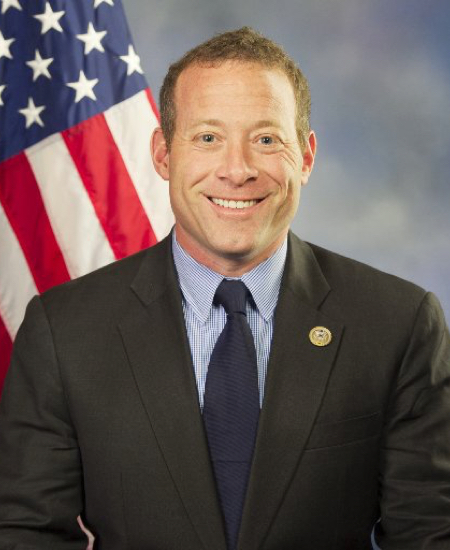
119th Congress Introduced by Josh Gottheimer and 1 co-sponsor

HR 8247 would create an interagency group to standardize, coordinate, and increase transparency in the designation and use of categorical exclusions for federal environmental revie

Introduced in House
0
WeVote Research Nonpartisan
Bill Summary · HR 8247

Summary of HR 8247 (119th Congress)

Title

To establish an interagency group on categorical exclusions, and for other purposes.

Purpose and intent

HR 8247 would create an interagency mechanism to coordinate and oversee the use of categorical exclusions (CEs) under federal environmental and permitting laws. The bill aims to standardize, review, and potentially strengthen the use of CEs across agencies, with an emphasis on ensuring that agency determinations to exclude certain actions from detailed environmental review are consistent, transparent, and subject to interagency coordination.

Key provisions and changes (highlights)

  • Establishment of an Interagency Group on Categorical Exclusions

    • Creates a joint, cross-agency body (the Interagency Group on Categorical Exclusions) to advise and coordinate on the designation and application of categorical exclusions.
    • Members to be drawn from multiple federal agencies involved in environmental review and permitting (e.g., agencies with CE authorities under the National Environmental Policy Act (NEPA) and related statutes).
  • Coordination and standardization

    • The group would develop, issue, and promote interagency guidance regarding when and how CEs may be designated.
    • Aims to improve consistency in CE determinations across agencies and reduce inconsistent or duplicative reviews.
  • Review and oversight role

    • The group would likely have procedures for periodic review of existing CEs to assess appropriateness, scope, and any necessary updates.
    • Potential mechanisms to reconcile differences in CE use among agencies and ensure compliance with applicable laws.
  • Transparency and reporting

    • The bill would require documentation or reporting related to CE determinations to enhance accountability.
    • May include public-facing summaries or required notices when CEs are applied to particular actions.
  • Administrative and procedural aspects

    • May set timelines for group meetings, rulemaking-like processes for guidance, and coordination with commenters or stakeholders.
    • Could include authorization for the group to issue non-binding guidance or recommendations to participating agencies.

Who would be affected

  • Federal agencies with CE authority
    • Agencies that designate categorical exclusions under NEPA-equivalent processes or related environmental review statutes.
  • Federal project proponents and permitting applicants
    • Entities undertaking federal actions that could be subject to CE determinations may experience changes in how CE decisions are developed and communicated.
  • Public and stakeholders
    • Increased transparency could affect public access to CE-related decisions and the rationale behind them.

Key procedural and timeline aspects

  • Referral and committee path
    • Referred to the House Committee on Natural Resources (April 13, 2026) and introduced in the House (April 13, 2026).
  • Sponsorship
    • Co-sponsors: Rep. Mike Lawler and Rep. Josh Gottheimer.
  • Implementation timelines
    • The bill text would specify timelines for establishing the interagency group, issuing guidance, and any reporting cadence; these details are not provided in the available summary and would be contained in the full bill document.

Potential impact and considerations

  • Could foster greater consistency in when and how federal actions are excluded from detailed environmental review.
  • May increase interagency coordination burdens and require new processes or staffing for the CE group.
  • Transparency provisions could affect how project opponents or the public view CE determinations.
  • The exact scope, authority, and binding nature of the group’s guidance (non-binding recommendations vs. formal rules) would influence practical effects on agency decision-making.

If you’d like, I can tailor this summary to focus on particular sections (e.g., environmental policy implications, administrative law considerations) or compare it to existing CE frameworks under NEPA.

Compiled from official sources — confirm details with the bill’s official record.

Sign in to ask a question.