

WeVote

Bill

Bill

HR 9189

Right to Record Act of 2026

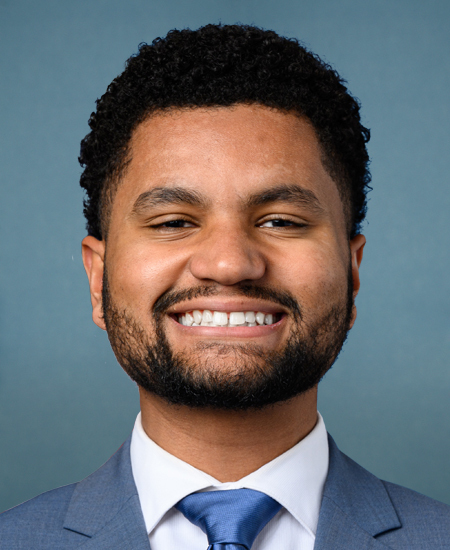
119th Congress Introduced by Maxwell Frost

Establishes a federal civil remedy allowing individuals to sue if their right to record, observe, or peacefully protest law enforcement activities is violated.

Introduced in House
0
WeVote Research Nonpartisan
Bill Summary · HR 9189

Bill Overview

  • Bill: HR 9189
  • Session: 119
  • Jurisdiction: United States
  • Title: To establish an express cause of action for violations of the right to record, observe, or peacefully protest law enforcement activities, and for other purposes.
  • Introduced: 2026-06-08
  • Action: Referred to the House Judiciary Committee (same day)
  • Sponsor: Co-sponsor Maxwell Frost

Purpose and Intent

The bill seeks to create an express federal civil remedy for individuals whose rights to record, observe, or peacefully protest law enforcement activities are violated. In essence, it would provide a statutory pathway to sue for violations of the right to record or observe police activity and to engage in peaceful protest in connection with those activities. The intent appears to be to reinforce and safeguard the ability of the public to document law enforcement actions and participate in peaceful, nonviolent protest without undue interference or retaliation.

Key Provisions and Changes

While the full text is not provided here, the bill’s title and description indicate the following core elements:

  • Establishment of an express federal cause of action:
    • Plaintiffs could sue for violations related to recording, observing, or peaceful protesting law enforcement activities.
  • Coverage of rights:
    • The protections pertain to the right to record law enforcement activity, to observe such activity, and to engage in peaceful protest concerning those activities.
  • Enforcement and remedies:
    • The bill would specify available remedies for violations (e.g., damages, injunctive relief), though exact remedies, caps, or procedural rules would be defined in the statute.
  • Scope and application:
    • Likely targeted at actions by law enforcement, government agencies, or agents that impede, restrict, or retaliate against recording, observing, or peaceful protest.
  • Additional “for other purposes” provisions:
    • Could include clarifications, definitions, or ancillary provisions to support the main cause of action (e.g., standing, statute of limitations, venue, or jurisdictional rules).

Who Is Affected

  • Individuals who record or observe law enforcement activities.
  • Individuals who participate in peaceful protests related to policing or law enforcement actions.
  • Law enforcement agencies and their officers, as well as other government actors who interact with the public in these contexts.
  • Potentially media organizations and journalists who document police activity, if explicitly encompassed by the definitions.

Procedural and Timeline Aspects

  • Introduction and Referral:
    • Introduced in the House and referred to the Committee on the Judiciary on 2026-06-08.
  • Next steps (typical for similar bills):
    • Committee review, markup, and potential passage by the House.
    • If advanced, referral to the Senate and potential conference or enactment into law.
  • Deadline/Timeline:
    • No specific dates (e.g., floor vote or deadlines) are provided in the summary; procedural timelines would follow the House Judiciary Committee’s schedule and the broader congressional calendar if the bill advances.

Potential Impacts and Considerations

  • Civil rights and accountability:
    • Creates a direct federal remedy, potentially increasing accountability for violations against individuals who record, observe, or peacefully protest law enforcement.
  • Police-community relations:
    • Could influence policing practices and interactions with the public, depending on enforcement and risk of civil suits.
  • Legal precedent and scope:
    • The bill’s definitions (e.g., what constitutes “recording,” “observing,” or “peaceful protest”) and the scope of permissible state vs. federal claims would shape its effect on cases involving policing.
  • Operational implications for law enforcement:
    • Agencies may need to review policies and training related to rights to document police activity and to manage protest safely and lawfully.

If you would like, I can compare this bill’s potential framework to existing federal or state laws on recording police, or provide a one-page brief with a definitions glossary once the full text is available.

Compiled from official sources — confirm details with the bill’s official record.

Sign in to ask a question.