

WeVote

Bill

Bill

HB 1270

TO ESTABLISH A PRESCRIBED PEDIATRIC EXTENDED CARE PILOT PROGRAM THROUGH A SECTION 1115 MEDICAID DEMONSTRATION WAIVER; AND TO DECLARE AN EMERGENCY.

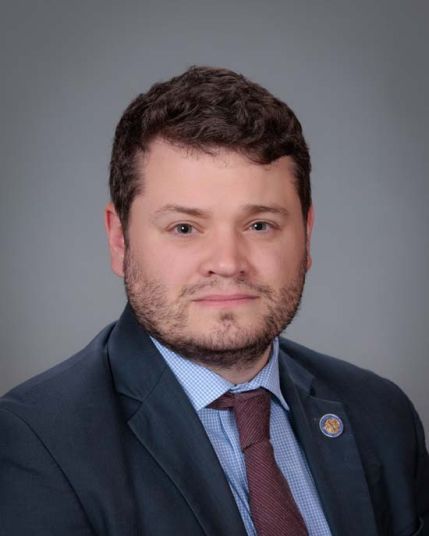
2025 Regular Session Introduced by Aaron Pilkington

House Bill 1270 aimed to launch a pilot program for specialized care of children with complex medical needs, improving access and reducing hospital visits in Arkansas.

Died in House Committee at Sine Die adjournment.
0
WeVote Research Nonpartisan
Bill Summary · HB 1270

Summary of House Bill 1270

Title

To Establish a Prescribed Pediatric Extended Care Pilot Program Through a Section 1115 Medicaid Demonstration Waiver; and to Declare an Emergency.

Bill Status

  • Introduced: January 27, 2025
  • Status: Died in House Committee at Sine Die adjournment on May 5, 2025.

Purpose and Intent

House Bill 1270 aimed to create a pilot program to provide specialized, nonresidential medical care for children with medically complex conditions. The program was intended to operate under a Section 1115 Medicaid Demonstration Waiver, allowing for Medicaid reimbursement for prescribed pediatric extended care services. This initiative sought to improve healthcare access, reduce hospitalizations, and support families of affected children.

Key Provisions

  1. Pilot Program Establishment:

    • The Department of Human Services (DHS) was tasked with establishing the program in three densely populated counties in Arkansas.
    • The program would provide care alternatives to home health and private duty nursing.
  2. Objectives:

    • Expand access to community-based pediatric extended care.
    • Reduce avoidable hospitalizations and emergency department visits.
    • Provide caregiver training and support services.
    • Assess the feasibility of a permanent statewide program.
  3. Eligibility Criteria:

    • Children under 21 years of age.
    • Medically or technologically dependent, certified by a licensed physician.
    • Require a level of care typically provided in a hospital or skilled nursing facility.
    • Have a consenting caregiver who participates in required training.
  4. Implementation Timeline:

    • DHS was required to apply for the Medicaid waiver within six months of the bill's effective date.
    • The pilot program was to be implemented no later than January 1, 2027, upon federal approval.
  5. Evaluation and Reporting:

    • An annual evaluation of the program's health outcomes, cost-effectiveness, and caregiver satisfaction was mandated.
    • A comprehensive report with recommendations was to be submitted to the Governor and the General Assembly by December 31, 2030.
  6. Emergency Clause:

    • The bill included an emergency clause, stating the immediate need for alternative care settings to prevent unnecessary hospitalizations and protect the health of children with complex medical needs.

Fiscal Impact

The estimated total computable cost of the program ranged from $1.04 billion to $5.2 billion, with a state share estimated between $316 million and $1.58 billion. The program was expected to serve a significant number of children, potentially expanding beyond the current population of approximately 50,000 children attending Early Intervention Developmental Therapy (EIDT).

Conclusion

While House Bill 1270 proposed a significant advancement in pediatric care for children with complex medical needs, it ultimately did not progress past the committee stage. The bill's intent to improve healthcare access and reduce hospitalizations highlighted ongoing challenges in providing adequate care for vulnerable populations in Arkansas.

Compiled from official sources — confirm details with the bill’s official record.

Sign in to ask a question.