

WeVote

Bill

Bill

HR 9581

Fresh Bucks for Fresh Produce Act

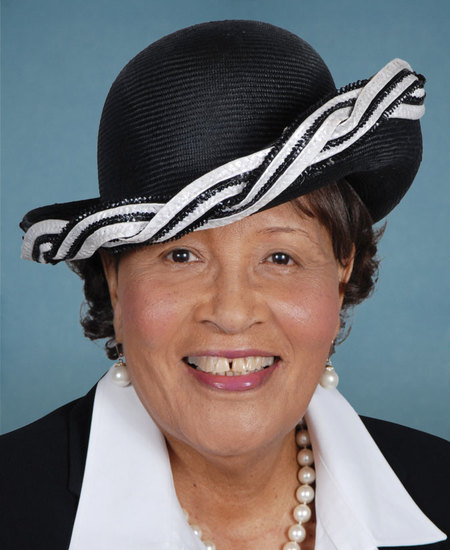
119th Congress Introduced by Alma Adams and 9 co-sponsors

The bill creates a USDA pilot providing monthly, produce-only payments to eligible households to study effects on diet, food security, and health, with evaluation and reporting to

Introduced in House
0
WeVote Research Nonpartisan
Bill Summary · HR 9581

Summary of HR 9581 (119th Congress): Pilot Program for Monthly Produce Payments

Purpose and intent

  • Establishes a Department of Agriculture (USDA) pilot program to provide monthly payments to certain households specifically for the purchase of fresh produce.
  • Aims to study the effects of these monthly produce payments on diet quality, fruit and vegetable consumption, food security, and related health outcomes, with the broader goal of informing future policy options to improve access to produce.

Key provisions and changes

  • Creation of a USDA-administered pilot program:
    • Eligible households would receive a monthly payment designated for purchasing produce.
    • Payments are restricted to the purchase of fruits and vegetables (produce) and cannot be used for non-produce items.
  • Payment structure:
    • Details such as payment amount, frequency (monthly), eligibility criteria, and duration of the pilot would be specified in the implementing rules and regulations, once established.
  • Evaluation component:
    • The bill requires a systematic study of the pilot’s impact, including metrics such as:
    • Produce purchasing and consumption patterns
    • Food security status
    • Dietary quality and health indicators
    • Any administrative costs and feasibility considerations
  • Reporting:
    • The program’s findings would be documented and reported to Congress, potentially with recommendations on scaling or modifying the approach.
  • Administrative framework:
    • The pilot would operate under USDA authority, with rules for enrollment, eligibility screening, program oversight, and accountability measures to guard against misuse.

Who would be affected

  • Households that qualify for the pilot would receive monthly produce-specific payments.
  • Households participating in the pilot would influence the design and evaluation through their purchasing data and reporting.
  • USDA and related agencies would implement, monitor, and evaluate the program, including data collection, compliance, and reporting duties.
  • Stakeholders in nutrition, public health, and anti-hunger advocacy may be engaged in evaluating outcomes and potential policy implications.

Procedural and timeline aspects

  • Introduction and referral:
    • Introduced in the House and referred to the Committee on Agriculture (as of the latest action history).
  • Next steps (typical for such legislation):
    • Committee hearings and votes to advance the bill.
    • Potential amendments before floor consideration.
    • If enacted, the pilot would be launched according to the statutory timeline and implementing regulations, followed by ongoing evaluation and a final report to Congress.

Notes and context

  • The bill does not specify full program funding, exact eligibility criteria, or the payment amounts in the summary provided; these details are typically defined in the bill text and subsequent implementing rules.
  • The bipartisan nature of several sponsors suggests a cross-cutting interest in improving access to healthy foods and evaluating targeted nutrition assistance approaches.

If you’d like, I can pull specific sections from the bill text (once available) to extract exact eligibility criteria, payment amounts, and evaluation methodologies for a more granular summary.

Compiled from official sources — confirm details with the bill’s official record.

Sign in to ask a question.