

WeVote

Bill

Bill

HR 9959

To establish a Green New Deal for public schools.

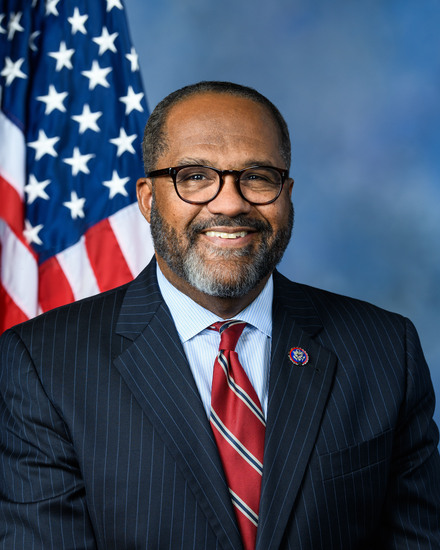
119th Congress Introduced by Troy Carter and 14 co-sponsors

This bill would finance upgrades for public school facilities to improve energy efficiency, resilience, renewable energy use, and climate education, prioritizing high-need district

Introduced in House
0
WeVote Research Nonpartisan
Bill Summary · HR 9959

Bill overview

HR 9959, introduced in the 119th Congress, seeks to establish a Green New Deal framework for public schools. The bill aims to transform K-12 and related public education environments toward sustainability, energy efficiency, and climate resilience while advancing related workforce development, local economic impacts, and student learning outcomes. It is sponsored by a group of House members and has a broad coalition of co-sponsors.

Purpose and intent

  • Promote a nationwide transition of public schools toward clean energy, energy efficiency, and climate resilience.
  • Integrate climate education and workforce development into public-school systems.
  • Address environmental justice by prioritizing improvements in underserved communities and ensuring equitable access to sustainable school facilities and resources.
  • Align school infrastructure and operations with national climate and clean-energy goals.

Key provisions and changes (as described by the bill’s nomenclature)

While the exact text is not provided here, the bill’s title and summary indicate the following thematic provisions:

  • Infrastructure upgrades for public school facilities to improve energy efficiency and reduce greenhouse gas emissions.
  • Modernization of school buildings to meet resilience standards against extreme weather and climate-related events.
  • Expansion of renewable energy adoption (e.g., on-site solar, efficient electrical systems) within public school campuses.
  • Training and employment provisions to develop a clean-energy and climate-related workforce for students and school staff.
  • Incorporation of climate and environmental education into curricula and learning activities.
  • Accessibility and equity measures to ensure that high-need school districts receive priority in funding and project implementation.
  • Potentially federal or federal-state funding mechanisms to support upgrades, equipment, and workforce development in public schools.

Who and what would be affected

  • Public K-12 school districts and schools nationwide.
  • Students, teachers, and school staff who would benefit from improved facilities, energy efficiency, and climate-related education.
  • Local governments and school boards responsible for planning, approving, and overseeing energy and infrastructure projects.
  • Contractors, vendors, and workforce sectors involved in construction, energy retrofits, and renewable-energy installations.
  • Communities disproportionately affected by environmental hazards, through targeted investments and resilience improvements.

Procedural and timeline aspects

  • The bill has been referred to the House Committee on Education and the Workforce and, in addition, to the Committee on Energy and Commerce for consideration of provisions within their jurisdictions. This indicates a bifurcated expert review path focusing on education policy and energy/commerce aspects.
  • Introduction and referral occurred on July 27, 2026, indicating the standard committee-based consideration process ahead, including potential hearings, amendments, and passage or reporting to the House floor.
  • As with typical authorization bills, if enacted, the bill would likely authorize funding and set programmatic priorities, with subsequent appropriations and implementation timelines determined through appropriations bills and agency rulemaking.

Potential impact and considerations

  • Environmental impact: Improved energy efficiency and renewable-energy use in public schools could lower operating emissions and energy costs, contributing to broader climate goals.
  • Economic impact: upfront capital investments in school infrastructure and equipment, potential job creation in construction, maintenance, and clean-energy sectors, with ongoing savings from reduced energy consumption.
  • Educational impact: enhanced climate literacy and integration of sustainability into curricula, with hands-on learning opportunities tied to real-world projects.
  • Equity considerations: emphasis on directing resources toward high-need districts to address disparities in facility conditions and resilience.
  • Regulatory and administrative: implementation would involve federal and possibly state-level coordination, reporting requirements, and compliance with environmental and labor standards.

If you’d like, I can tailor this summary to emphasize specific elements (e.g., funding mechanisms, accountability metrics, or implementation milestones) once the bill’s text is available.

Compiled from official sources — confirm details with the bill’s official record.

Sign in to ask a question.