HR 8259 — Summary (Session 119)
Overview
- Title: To ensure meaningful consultation and cooperation between Federal and local entities in the operation of Federal water projects in the Reclamation States, and for other purposes.
- Purpose: To require enhanced, structured consultation and cooperation between federal agencies and local governments/entities in the operation of federal water projects located in the Reclamation States, with the aim of aligning operations with local needs, resources, and governance.
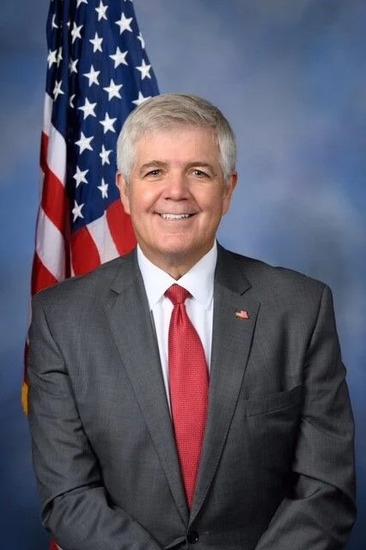
- Status: Introduced in the House and referred to the House Committee on Natural Resources (April 14, 2026). Co-sponsors: Rep. Russ Fulcher and Rep. Cliff Bentz.
Key Provisions (as described by the bill’s title and general intent)
Note: The following details reflect the bill’s stated objective to strengthen consultation and cooperation; exact statutory text would specify mechanisms, triggers, and processes.
Meaningful Consultation Requirement
- Federal agencies operating water projects (likely including the Bureau of Reclamation and related entities) must engage in structured, meaningful consultation with local governments, tribes, water users, and other stakeholders before decisions that affect operation, management, or allocation of water resources.
- Consultation to occur at defined stages of project planning, operation, and modification of water delivery schedules or facilities.
Cooperative Framework
- Establishes formal mechanisms (e.g., advisory committees, memoranda of understanding, or intergovernmental agreements) to facilitate ongoing coordination between federal entities and local interests.
- Potentially outlines roles, responsibilities, and decision-making authorities to prevent unilateral actions that undermine local governance.
Specific Reclamation State Focus
- Applies to Federal water projects located in the Reclamation States (the 17 Western states covered by the Bureau of Reclamation’s project portfolio, historically including States like Arizona, California, Colorado, Idaho, Montana, Nevada, New Mexico, Oregon, Utah, Washington, Wyoming, and others depending on statutory interpretation).
- Emphasizes how operations (water deliveries, reservoir operations, regional planning) impact local communities and water users.
“For other purposes” Provisions
- May include additional reforms or authorities related to Federal water project operation, funding, or oversight to support the consultation framework.
- Possible alignment with environmental, agricultural, flood control, or tribal trust responsibilities.
Potential Impact and Stakeholders
- Affected Parties
- Federal agencies administering water projects (e.g., Bureau of Reclamation)
- State and local governments, irrigation districts, and water user associations in the Reclamation States
- Tribes and other Indigenous communities with water or treaty rights
- Agricultural, municipal, industrial water users impacted by project operations
- Operational Effects
- Increased priority on stakeholder input in planning and adjustments to water deliveries, reservoir operations, and infrastructure projects.
- Possible changes to project schedules, water allocation methodologies, and response to drought or environmental conditions depending on negotiated agreements.
Procedural and Timeline Aspects
- Introduction and Referral
- Introduced in the House and referred to the Committee on Natural Resources on April 14, 2026.
- Next Steps
- Committee consideration, potential amendments, and hearings.
- If advanced, possible floor consideration, votes, and reconciliation with any Senate counterpart or version.
Notes and Limitations
- The summary reflects the bill’s stated purpose to enhance consultation and cooperation. Full understanding requires reviewing the exact statutory text to identify defined processes (e.g., timing requirements, notice periods, form of consultation, enforcement, funding implications, and any waivers or exceptions).
- As of now, no dollar amounts, dates (beyond introduction), or numeric thresholds are provided in the available information.