

WeVote

Bill

Bill

HR 9601

To direct the United States Trade Representative to initiate investigations to determine whether foreign countries, including Canada, have ceased importation and distribution of alcoholic beverage exports of the United States in a manner that is actionable under section 301 of the Trade Act of 1974, and for other purposes.

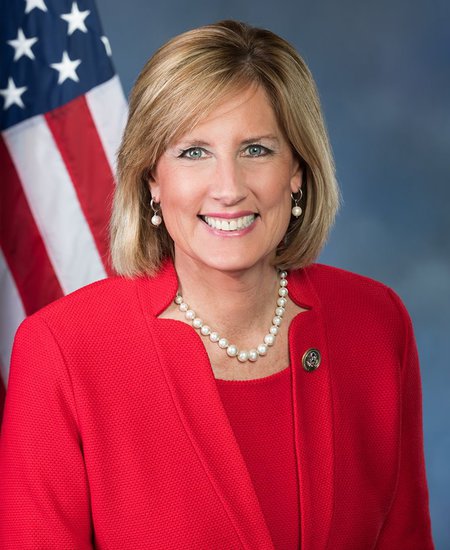
119th Congress Introduced by Claudia Tenney

Direct USTR to investigate if foreign countries, especially Canada, have restricted U.S. alcoholic beverage imports in a way actionable under Section 301.

Introduced in House
0
WeVote Research Nonpartisan
Bill Summary · HR 9601

Summary of HR 9601 (119th Congress)

Purpose and intent

HR 9601 directs the United States Trade Representative (USTR) to initiate investigations to determine whether foreign countries, including Canada, have ceased importation and distribution of United States alcoholic beverage exports in a manner that would be actionable under section 301 of the Trade Act of 1974. The bill aims to identify potential trade-restrictive practices by foreign governments and evaluate whether U.S. alcohol exports are being restricted, blocked, or otherwise impeded in a way that could justify retaliatory trade measures under Section 301.

Key questions the bill seeks to answer through investigations:
- Have foreign countries, including Canada, stopped importing or distributing U.S. alcoholic beverages in a way that constitutes a discriminatory trade barrier?
- Do such actions meet the criteria for actionable conduct under Section 301 of the Trade Act of 1974?

Key provisions and changes

  • Obligation on USTR: Requires the USTR to initiate investigations to assess whether foreign nations have ceased importation and distribution of U.S. alcoholic beverage exports in a manner that is actionable under Section 301.
  • Scope of review: Specifically mentions “foreign countries, including Canada,” indicating a focus on North American trade relations in the alcohol sector but potentially broader in scope depending on investigations’ findings.
  • Basis for action: Any determination would be grounded in the standards and procedures of Section 301 of the Trade Act of 1974, which covers unreasonable or discriminatory trade practices and the ability to impose remedies or negotiate adjustments.

Who/what would be affected

  • U.S. alcohol exporters: Producers and marketers of American alcoholic beverages seeking access to foreign markets.
  • Foreign markets for U.S. alcohol: Importers, distributors, and regulators in the reviewed countries, with particular note of Canada due to explicit mention.
  • USTR and federal trade enforcement processes: The bill would direct USTR to conduct formal investigations and potentially pursue remedial actions under Section 301 if warranted.
  • U.S. policymakers: Potential downstream decisions on tariffs or other trade remedies if Section 301 actions are found actionable.

Procedural and timeline aspects

  • Introduction and referral: The bill was introduced in the House and referred to the Committee on Ways and Means on July 6, 2026.
  • Next steps (if enacted): The Committee would review, hold hearings, and report the bill with or without amendment. If advanced, the full House would consider it, and if passed, it would move to the Senate. Enactment would allow the USTR to commence Section 301-type investigations as specified.
  • Sponsor information: Co-sponsor noted as Rep. Claudia Tenney.

Potential impact and considerations

  • Economic impact: If investigations identify actionable discriminatory practices, the USTR could pursue remedies under Section 301, potentially leading to negotiations, tariffs, or other measures that could affect U.S. wine, beer, spirits, and other alcoholic beverage suppliers and foreign importers.
  • Diplomatic considerations: Initiating Section 301 investigations can influence bilateral relations, especially with Canada, a major trading partner for alcohol products.
  • Legislative risk: The bill’s success depends on passage and any subsequent negotiation of remedies. It would set a framework for USTR to focus on alcohol export barriers in the context of Section 301.

Note: As of the provided action history, the bill has been introduced and referred to the House Committee on Ways and Means. No final legislative action or enacted provisions are indicated.

Compiled from official sources — confirm details with the bill’s official record.

Sign in to ask a question.