

WeVote

Bill

Bill

HR 9590

SAFE for Manatees Act

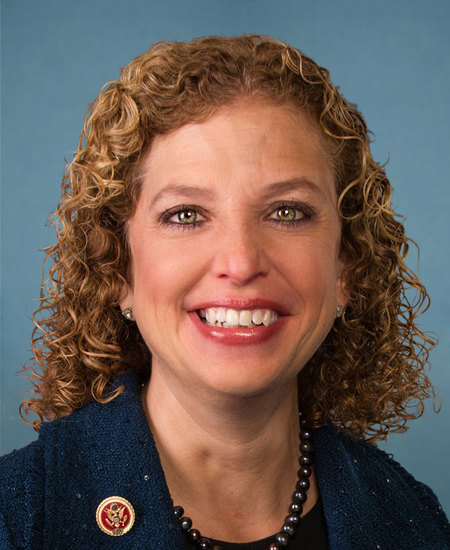
119th Congress Introduced by Debbie Wasserman Schultz and 1 co-sponsor

The bill directs the Interior Secretary to study and evaluate alternative habitats for certain manatee populations.

Introduced in House
0
WeVote Research Nonpartisan
Bill Summary · HR 9590

Overview

HR 9590 (119th Congress) is a bill directed to the Secretary of the Interior. Its central aim is to require the Interior Department to conduct a study on alternative habitat options for certain manatees, with other related provisions to follow. The bill has been introduced in the House and referred to the Committee on Natural Resources. Primary sponsors include Rep. Daniel Webster, with Rep. Debbie Wasserman Schultz as a co-sponsor.

Purpose and Intent

  • Directs the Secretary of the Interior to undertake a study focused on identifying and evaluating alternative habitat for specific manatee populations.
  • The intent appears to be exploring options beyond current habitats or management approaches, potentially to address conservation, recovery, or welfare considerations for these manatees.

Key Provisions and Changes

  • Study Mandate: Requires the Interior Secretary to conduct a formal study evaluating alternative manatee habitat. The bill likely specifies objectives, scope, and methodologies for assessing alternative habitats, though exact statutory language is not provided in the summary.
  • Scope of Alternatives: The study would evaluate various habitat options, which may include different geographic areas, aquatic environments, or restoration scenarios suitable for manatee populations.
  • Reporting/Timeline: The bill would typically require a final study report or interim findings to be submitted to Congress within a defined timeframe. The specific deadlines and reporting requirements are not detailed in the provided information.
  • Administrative/Authority: The study would be conducted under the authority of the Department of the Interior, potentially involving relevant agencies such as the Fish and Wildlife Service, and could involve collaboration with other federal, state, or local entities as needed.

Who/What Would Be Affected

  • Manatee Populations: The study targets certain manatee populations, focusing on their habitat needs and potential relocation, restoration, or management strategies.
  • Interior Department: The Secretary of the Interior, and relevant agencies within the department, would be responsible for carrying out the study.
  • Stakeholders: Potentially affected parties include state wildlife agencies, environmental organizations, industry stakeholders (e.g., boating, development sectors), and communities relying on or adjacent to manatee habitats.

Procedural and Timeline Aspects

  • Introduction and Referral: The bill was introduced in the House and referred to the Committee on Natural Resources on July 2, 2026.
  • Legislative Progress: As of the provided information, no further actions (e.g., passage, amendments) are documented beyond referral to committee.
  • Likely Next Steps: The committee would review, possibly amend, and vote to advance the bill to the full House. If approved, it could move to the Senate for consideration.

Potential Impacts and Implications

  • Conservation Planning: By authorizing a formal study of alternative habitats, the bill could inform long-term conservation strategies for manatees and potentially influence habitat protection, restoration, or management policies.
  • Resource Allocation: The study would require budgeting and funding within Interior Department programs, with results potentially guiding future grant-making or habitat initiatives.
  • Policy Debates: Depending on findings, the study could catalyze discussions on habitat designation, relocation feasibility, or cross-jurisdictional cooperation for manatee protection.

If you’d like, I can tailor this summary to a specific audience (policymakers, advocates, or the general public) or add any available details on defined study parameters, budgeting, or reporting deadlines if you have access to the bill’s full text.

Compiled from official sources — confirm details with the bill’s official record.

Sign in to ask a question.