

WeVote

Bill

Bill

HR 1831

To direct the Secretary of Homeland Security to carry out a pilot program for the prevention and mitigation of acts of terrorism using motor vehicles, and for other purposes.

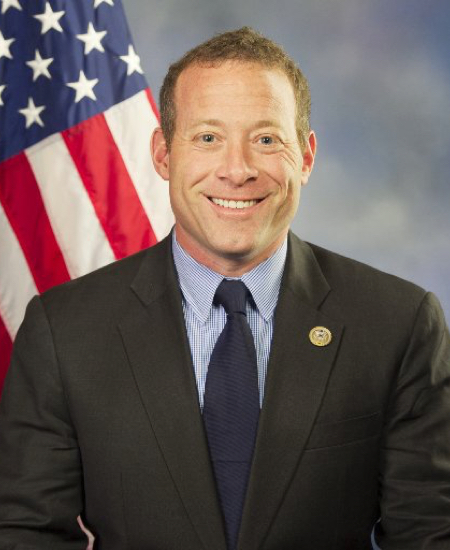
119th Congress Introduced by Josh Gottheimer

HR 1831 establishes a pilot program to enhance national security by improving reporting standards for suspicious vehicle rentals, aiming to prevent terrorism using motor vehicles.

Introduced in House
0
WeVote Research Nonpartisan
Bill Summary · HR 1831

Summary of HR 1831 - Pilot Program for Prevention and Mitigation of Terrorism Using Motor Vehicles

Bill Overview

Bill Number: HR 1831
Title: To direct the Secretary of Homeland Security to carry out a pilot program for the prevention and mitigation of acts of terrorism using motor vehicles, and for other purposes.
Introduced: March 04, 2025
Status: Introduced in House
Primary Sponsor: Josh Gottheimer

Purpose and Intent

The primary aim of HR 1831 is to enhance national security by establishing a pilot program that focuses on preventing and mitigating acts of terrorism involving motor vehicles. This initiative seeks to create a standardized approach to identifying and reporting suspicious activities related to vehicle rentals and sales, thereby improving the overall safety and security of the public.

Key Provisions

The bill outlines several key provisions that the Secretary of Homeland Security must implement within one year of the bill's enactment:

  1. Development of Uniform Standards:

    • Collaborate with the automotive sale and rental industry to create a standard for information collection by rental agencies and for submitting suspicious activity reports.
  2. Threat Assessments:

    • Provide operators with threat assessments regarding the terrorism risks associated with large vehicles, prepared by the Undersecretary of Homeland Security for Intelligence and Analysis.
  3. Guidance and Training:

    • Distribute guidance to improve the suspicious activity reporting process, including training for employees to better identify suspicious activities.
  4. Technical Assistance:

    • Offer technical support to operators for accessing suspicious activity reports.
  5. Watch List Procedures:

    • If deemed necessary, establish a procedure for checking information against a designated non-classified watch list and require dealers and rental companies to notify the FBI of vehicle sales or rentals.

Reporting Requirements

  • The Secretary of Homeland Security and the Administrator of the Transportation Security Administration must submit reports to Congress every 120 days during the pilot program. These reports will assess the program's impact on privacy and civil liberties and evaluate the potential effects of permanent implementation on national security.

  • Additionally, within 18 months of the bill's enactment, a study will be submitted to Congress examining collaboration with rental car and ride-sharing companies to identify risks of terrorist attacks.

Liability Protection

The bill includes a provision that protects dealers and rental companies from liability for actions taken in accordance with the pilot program.

Definitions

  • Covered Rental Vehicle: Defined as any truck, tractor, trailer, bus, semitrailer, or van capable of transporting more than 15 passengers.
  • Dealer and Rental Company: Defined as per section 30102 of title 49, United States Code.

Impact and Affected Parties

This legislation is expected to impact:
- Rental and Automotive Sales Industries: By requiring compliance with new standards and reporting procedures.
- Law Enforcement Agencies: By enhancing their ability to monitor and respond to potential threats.
- General Public: By potentially increasing safety and security measures against vehicle-related terrorism.

Legislative Actions

  • March 04, 2025: The bill was referred to the Subcommittee on Counterterrorism and Intelligence and the House Committee on Homeland Security.

This summary provides a comprehensive overview of HR 1831, detailing its purpose, key provisions, and the potential impact on various stakeholders.

Compiled from official sources — confirm details with the bill’s official record.

Sign in to ask a question.