

WeVote

Bill

Bill

HR 9273

To direct the Secretary of Health and Human Services to require public institutions of higher education that receive grants under the Medical Student Education program to include training for medical students relating to menopause in the curriculums of such institutions, and for other purposes.

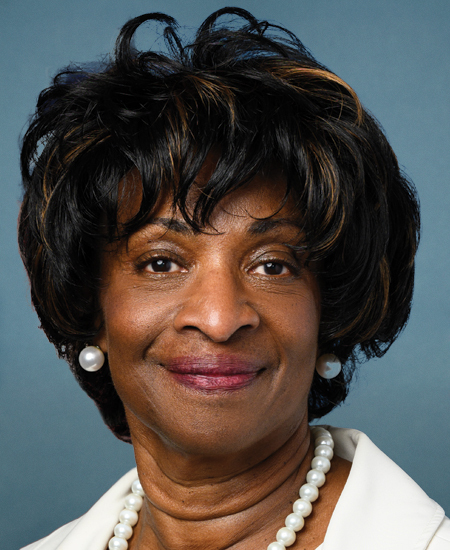
119th Congress Introduced by Valerie Foushee

Mandates menopause education be added to medical curricula at public colleges receiving Medical Student Education program grants.

Introduced in House
0
WeVote Research Nonpartisan
Bill Summary · HR 9273

Bill Overview

HR 9273 (Session 119) proposes a mandate that would require public institutions of higher education (IHEs) that receive grants under the Medical Student Education program to include training on menopause in the medical curricula for medical students. The measure is introduced in the House and referred to the Committee on Energy and Commerce. Co-sponsor: Valerie Foushee.

Main Purpose and Intent

  • To ensure medical students at public IHEs receiving Medical Student Education program grants receive formal training on menopause.
  • Aims to improve clinician competency in recognizing, diagnosing, and managing menopause and related health issues affecting patients.

Key Provisions

  • Eligibility and Scope:
    • Applies to public IHEs that receive grants under the Medical Student Education program.
  • Curriculum Requirement:
    • Institutions must incorporate menopause-related education into the medical school curricula.
    • Training likely to cover clinical presentation, hormone changes, differential diagnoses, treatment options, patient communication, and potential health impacts of menopause.
  • Compliance and Oversight:
    • The bill would establish requirements for how curricula are implemented and demonstrated to satisfy the mandate (e.g., curriculum outlines, course credits, or formal documentation).
  • Relationship to Grants:
    • The requirement is tied specifically to institutions that receive grants under the Medical Student Education program; funding may be conditioned on compliance.

Affected Parties

  • Primary: Public institutions of higher education with medical schools or programs that receive Medical Student Education program grants.
  • Medical students at these institutions, who would receive menopause-focused education as part of their training.
  • Faculty and curriculum committees responsible for medical education and grant compliance.

Procedural and Timeline Aspects

  • Status: Introduced in the House and referred to the Committee on Energy and Commerce as of 2026-06-11.
  • Next Steps: Committee consideration, potential amendments, and, if advanced, floor consideration. Any final passage would move to the Senate for consideration.
  • Effective Date: The bill text would specify an effective date for the curriculum requirement; if not specified, implementation would follow standard legislative timelines after enactment (often phased or by academic year).

Potential Impacts and Considerations

  • Educational Impact:
    • Standardizes menopause education across public IHEs receiving relevant grants.
    • May enhance patient care through improved provider awareness of menopause-related health issues.
  • Financial/Operational Impact:
    • Institutions may need to adjust curricula, allocate instructional time, and possibly develop or obtain educational resources.
    • Potential need for additional faculty training or hiring to deliver the new content, depending on current coverage.
  • Equity and Public Health:
    • Addresses gaps in medical training related to women's health and aging.
    • Could influence preventive care, symptom management, and treatment options for individuals experiencing menopause.

Quick Take

  • What it does: Mandates menopause education in the medical curricula of public IHEs receiving Medical Student Education program grants.
  • Who it affects: Public medical schools, their students, and faculty involved in curriculum design.
  • When it could take effect: Following enactment and required regulatory or institutional adoption, aligned with academic calendars.
  • Oversight: Guided by the House Committee on Energy and Commerce; alignment with grant requirements.

Compiled from official sources — confirm details with the bill’s official record.

Sign in to ask a question.