

WeVote

Bill

Bill

HR 9365

HEART Act of 2026

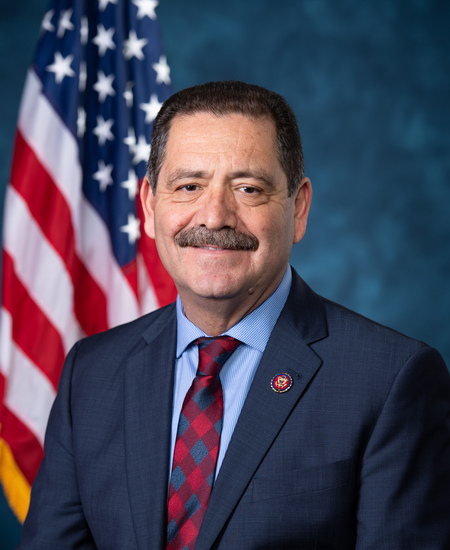
119th Congress Introduced by Chuy García

Establishes an HHS office to expand trauma-informed, culturally competent mental health services for immigrant communities affected by fear-based enforcement actions.

Introduced in House
0
WeVote Research Nonpartisan
Bill Summary · HR 9365

Overview

HR 9365 (119th Congress) directs the U.S. Department of Health and Human Services (HHS) to establish an office designed to assist communities in providing mental health services to individuals experiencing fear-based trauma related to immigration law enforcement actions by federal agencies. The bill aims to address mental health needs arising from immigration enforcement activities and related fear or trauma within immigrant communities.

Purpose and intent

  • Create a dedicated HHS office to support community-based mental health responses for individuals traumatized by immigration enforcement actions.
  • Recognize fear-based trauma linked to federal immigration enforcement as a public health issue requiring coordinated federal support.
  • Facilitate access to mental health resources, culturally competent care, and community-focused strategies to reduce barriers to care.

Key provisions and changes

  • Establishment of an HHS Office for Immigration Enforcement-Related Fear-Based Trauma (name may be specified in implementing language) or a similarly titled entity within HHS.
  • Responsibilities of the office likely include:
    • Assessing community mental health needs related to immigration enforcement fear.
    • Providing guidance, funding opportunities, and technical assistance to community organizations, clinics, and state/local entities offering mental health services.
    • Developing and disseminating best practices for trauma-informed, culturally and linguistically appropriate care.
    • Coordinating with other federal agencies, state governments, and non-profits to expand access to mental health services.
    • Monitoring and evaluating program effectiveness and outcomes.
  • Potential funding and resource provisions (specific dollar amounts not provided in the summary) to support grants, training, and outreach activities.
  • Reporting or oversight requirements to Congress on program progress, needs, and impact.

Who is affected

  • Immigrant communities experiencing fear-based trauma related to immigration enforcement.
  • Community health providers, behavioral health clinics, and other local organizations delivering mental health services.
  • State and local public health agencies seeking guidance and support for trauma-informed care in communities affected by immigration enforcement actions.
  • Federal agencies and HHS components collaborating on mental health initiatives and data collection.

Procedural and timeline aspects

  • Introduced in the House and referred to the House Committee on Energy and Commerce (as of 2026-06-18).
  • Co-sponsored by Rep. Chuy García.
  • No explicit fiscal year timeline or funding authorization details are provided in the summary; typically, such bills would progress through committee markup, potential amendments, and votes before moving to the Senate, subject to the legislative calendar and appropriations processes.
  • If enacted, implementation would follow publication of final program guidelines, with a phased rollout for grants, partnerships, and service delivery.

Potential impacts and considerations

  • Positive impact on mental health access for communities affected by fear associated with immigration enforcement.
  • Could improve trust and utilization of mental health services in immigrant populations through culturally competent approaches.
  • Resource allocation and staffing would depend on the final authorization language and appropriations.
  • Implementation would require coordination with community organizations, healthcare providers, and possibly data-sharing considerations to assess outcomes while protecting patient privacy.

If you’d like, I can compare this bill to prior federal efforts addressing fear-based trauma or provide a risk/benefit matrix based on hypothetical funding levels.

Compiled from official sources — confirm details with the bill’s official record.

Sign in to ask a question.