

WeVote

Bill

Bill

HR 9561

To direct the Secretary of Health and Human Services to conduct a study on the feasibility of developing an accurate and reliable standardized test for detecting tuberculosis in tissue from a human cadaver, and for other purposes.

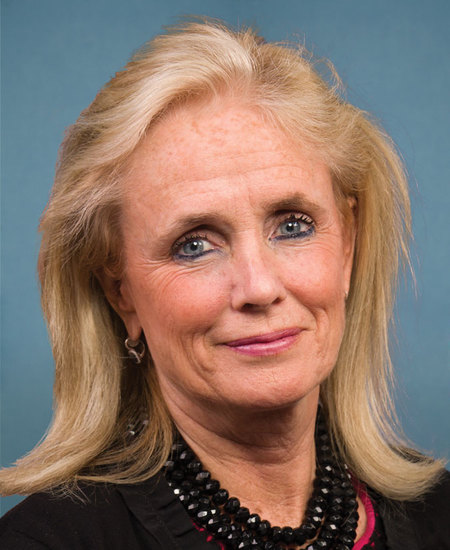
119th Congress Introduced by Debbie Dingell and 1 co-sponsor

HR 9561 would require HHS to study whether a standardized tuberculosis test on cadaver tissue is feasible, including accuracy, workflows, and biosafety.

Introduced in House
0
WeVote Research Nonpartisan
Bill Summary · HR 9561

Summary of HR 9561 (119th Congress)

Purpose and intent

  • HR 9561 directs the Secretary of Health and Human Services (HHS) to conduct a study on the feasibility of developing an accurate and reliable standardized test for detecting tuberculosis (TB) in tissue from a human cadaver.
  • The bill aims to assess whether a standardized cadaver-tissue TB test could be developed, validated, and deployed, potentially aiding post-marital or post-memorial investigations, research, or public health surveillance where cadaver tissue is available.

Key provisions and changes

  • Mandatory study by HHS: The primary requirement is a feasibility study conducted by the Secretary of HHS. The statute seeks an assessment of:
    • Technical feasibility of creating a standardized TB test for cadaver tissue.
    • Methods and approaches to validate the test’s accuracy (sensitivity, specificity).
    • Biobanking, tissue handling, and preservation considerations affecting test performance.
    • Regulatory, ethical, and biosafety implications of testing cadaver tissue for TB.
    • Resource, time, and cost estimates to develop and implement such a test.
  • Scope of outcomes: The study should identify potential pathways to develop a standardized test, including laboratory workflows, required infrastructure, quality control standards, and potential stakeholders (e.g., medical examiners, coroners, biorepositories, infectious disease laboratories).
  • Reporting: The bill would require the results of the feasibility study to be reported to Congress (the exact timing and reporting mechanism would be defined by the legislative language in the final text).

Who or what would be affected

  • Federal involvement: HHS would lead the feasibility study, with potential coordination across agencies involved in TB research, biosafety, forensic science, and public health.
  • Stakeholders likely impacted by the study’s considerations include:
    • Medical examiner and coroner systems that handle cadaveric tissues.
    • Forensic and pathology laboratories conducting TB testing or research.
    • TB public health surveillance and clinical research communities.
    • Biobanks and tissue repositories housing cadaver specimens.
    • Bioethics and biosafety oversight entities.

Procedural and timeline aspects

  • Action history:
    • Introduced in the House and referred to the House Committee on Energy and Commerce on June 30, 2026.
  • Next steps if advanced: The committee would review and potentially amend the bill, hold hearings, and may report the bill to the full House for consideration. If enacted, HHS would begin the mandated feasibility study and must deliver a congressional report with findings.
  • Sponsorship: The bill lists two co-sponsors:
    • Debbie Dingell
    • John Moolenaar

Potential impact and considerations

  • Policy impact: The bill signals congressional interest in exploring novel diagnostic applications for TB in cadaver tissue, which could influence forensic science capabilities and research infrastructure if a viable test is developed.
  • Scientific and practical considerations: Feasibility would hinge on scientific challenges related to TB detection in preserved tissue, variable sample quality, contamination controls, and regulatory/ethical frameworks for testing cadaver material.
  • Financial and timeline uncertainties: As a feasibility study, the bill would allocate study-related efforts but does not specify funding amounts or a completion deadline in the summary text; those details would be clarified in the enacted statute or accompanying appropriations.

If you’d like, I can tailor this summary to focus on specific audiences (public health officials, forensic laboratories, or policymakers) or extract the exact anticipated deliverables if the full text becomes available.

Compiled from official sources — confirm details with the bill’s official record.

Sign in to ask a question.