

WeVote

Bill

Bill

HR 9891

To direct the Secretary of Health and Human Services to conduct a demonstration program to share savings with plans that invest in preventing the progression of kidney disease to end-stage renal disease.

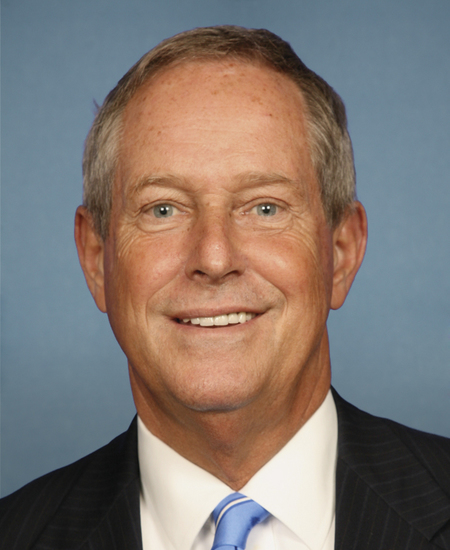
119th Congress Introduced by Joe Wilson

HR 9891 creates a demonstration program in HHS to share savings with health plans that invest in preventing kidney disease progression to ESRD.

Introduced in House
0
WeVote Research Nonpartisan
Bill Summary · HR 9891

Summary of HR 9891 (119th Congress)

Purpose and intent

  • HR 9891 directs the U.S. Department of Health and Human Services (HHS), specifically the Secretary, to conduct a demonstration program.
  • The goal of the demonstration is to share savings with health plans that invest in preventing the progression of kidney disease to end-stage renal disease (ESRD). In short, it aims to incentivize preventive investments by sharing resulting cost savings with participating plans.

Key provisions and changes

  • Establishment of a demonstration program within HHS. The bill outlines how the program should be designed and operated to test cost-saving arrangements related to delaying or preventing progression from kidney disease to ESRD.
  • Incentive mechanism: health plans that invest in kidney disease prevention and that achieve measurable cost savings by reducing progression to ESRD would receive a share of those savings. The exact formula, eligibility criteria, and distribution method for savings would be defined by the program rules.
  • Scope of investment focus: the program targets investments aimed at preventing progression along the kidney disease spectrum, with the ultimate objective of reducing the incidence of ESRD.
  • Reporting and evaluation: as a demonstration, the program would likely require monitoring, reporting, and evaluation to assess effectiveness, savings, quality of care, and potential scalability. Specific metrics, timelines, and reporting requirements would be determined by implementing regulations.
  • Interagency and oversight considerations: given the involvement of HHS and health plans, the bill contemplates coordination with relevant agencies (e.g., CMS) and may include provisions for compliance, governance, and accountability.

Who would be affected

  • Health plans participating in the demonstration program—these are plans that invest in preventive measures for kidney disease and seek to share in demonstrated savings.
  • Beneficiaries/patients with kidney disease or at risk for ESRD could experience access to preventive interventions and potentially improved care pathways, depending on how plans implement the program.
  • Providers and health systems involved in kidney disease prevention may engage more in proactive care, care management, and early intervention strategies to qualify for savings.
  • Federal program administrators and policymakers within HHS and related bodies responsible for implementing the demonstration and evaluating outcomes.

Procedural and timeline aspects

  • Status: Introduced in the House and referred to:
    • Committee on Energy and Commerce
    • Committee on Ways and Means
  • Referral date: July 22, 2026
  • The referral to Ways and Means indicates potential implications for Medicare/Medicare Advantage, given the committee’s jurisdiction over health program funding and policy.
  • As a demonstration program, the bill would require rulemaking, funding authorization, and a defined evaluation period to assess effectiveness and determine potential expansion or permanency.
  • Any final passage would depend on amendments, committee reports, and broader legislative considerations, including budget impact and alignment with existing kidney disease initiatives.

Notes

  • The bill currently establishes authority and framework for a demonstration rather than mandating broad, permanent policy changes.
  • Specifics such as the eligibility criteria for plans, the exact sharing formula, payment triggers, duration of the demonstration, and performance metrics are expected to be detailed in implementing regulations or its amendments.

If you’d like, I can tailor this summary to a particular audience (e.g., policymakers, health plan officers, patient advocates) or provide a comparative analysis with existing kidney disease prevention initiatives.

Compiled from official sources — confirm details with the bill’s official record.

Sign in to ask a question.