

WeVote

Bill

Bill

HR 9889

To direct the Secretary of Defense to report to Congress on the potential expansion of pathways for graduates of civilian test pilot schools to serve as test pilots and flight test engineers in support of military testing activities, and for other purposes.

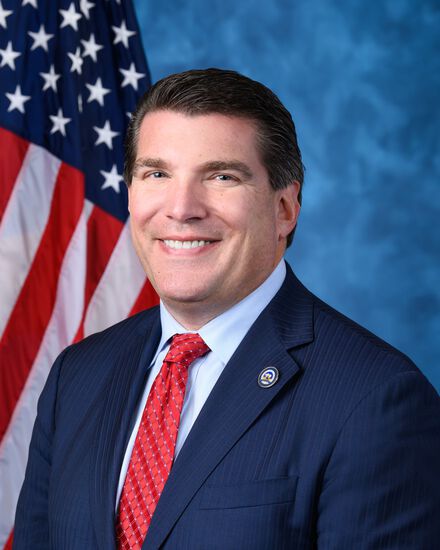
119th Congress Introduced by Jay Obernolte and 1 co-sponsor

The bill directs a DoD report evaluating expanding civilian test pilot school graduates’ pathways into U.S. military testing roles as test pilots and flight test engineers.

Introduced in House
0
WeVote Research Nonpartisan
Bill Summary · HR 9889

Summary of HR 9889 (118th/119th Congress context)

Note: The bill’s action history shows introduction and referral to the House Committee on Armed Services on July 22, 2026. The text provided indicates the bill directs a study or reporting by the Secretary of Defense rather than immediate policy changes or funding. The summary below captures the core intent, provisions, and potential impact based on the bill’s title and action history.

Purpose and intent

  • To direct the Secretary of Defense to report to Congress on the potential expansion of pathways for graduates of civilian test pilot schools to serve as test pilots and flight test engineers in support of military testing activities.
  • The overarching aim is to assess whether graduates of civilian test pilot programs could be integrated more broadly into U.S. military testing roles.

Key provisions and changes (as implied by the title)

  • Requirement for a formal report from the Secretary of Defense to Congress.
  • The report would evaluate potential pathways and mechanisms to expand the participation of civilian test pilot school graduates in military testing programs.
  • Focus areas likely to be reviewed (typical elements in such reports) may include:
    • Eligibility criteria and credential recognition for civilian graduates.
    • Prospective roles for graduates as test pilots and flight test engineers.
    • Training, certification, safety, and security considerations.
    • Administrative, legal, and regulatory implications (e.g., compatibility with military staffing and procurement processes).
    • Potential effects on readiness, innovation, and industrial base partnerships.
    • Cost, timeline, and resource implications for implementing expanded pathways.
  • The bill as introduced appears to be limited to reporting requirements rather than direct authorization of new hiring or funding.

Who or what would be affected

  • U.S. Department of Defense (DoD) and its military services (e.g., Air Force, Navy, Army aviation test communities).
  • Civilian test pilot schools and their graduates seeking pathways into military testing roles.
  • Military test programs, flight test establishments, and related career pipelines.
  • Potentially, civilian-military personnel policy and qualification standards affected by any subsequent implementation plan that might arise from the report.

Procedural and timeline aspects

  • Action history indicates:
    • Introduction in the House on July 22, 2026.
    • Referred to the House Committee on Armed Services the same day.
  • As a directive to report, the bill would typically require the DoD to produce a report within a specified timeframe (often 180 days to 1 year in similar statutes), though the exact deadline would be set in the text of the bill.
  • Any legislative action beyond referral (e.g., passage, amendments) would depend on subsequent committee consideration and floor votes.

Potential impact and considerations

  • Access and talent: If expanded pathways are recommended or authorized, civilian test pilot graduates could augment military testing capacity and bring diverse civilian aviation experience.
  • Safety and qualification: The DoD would need to ensure that any new pathways meet stringent safety, security, and flight test standards.
  • Policy alignment: Changes could require adjustments to personnel management, security clearances, and fit within existing flight test governance.
  • Budgetary implications: Initially, the bill centers on reporting; any subsequent implementation would require funding and resource planning.

If you’d like, I can tailor the summary to a specific audience (e.g., policymakers, aviation industry stakeholders) or incorporate anticipated talking points and questions for committee members.

Compiled from official sources — confirm details with the bill’s official record.

Sign in to ask a question.