

WeVote

Bill

Bill

HR 9411

To direct the Secretary of Defense to provide grants to entities that provide services that supplement the Transition Assistance Program of the Department of Defense, and for other purposes.

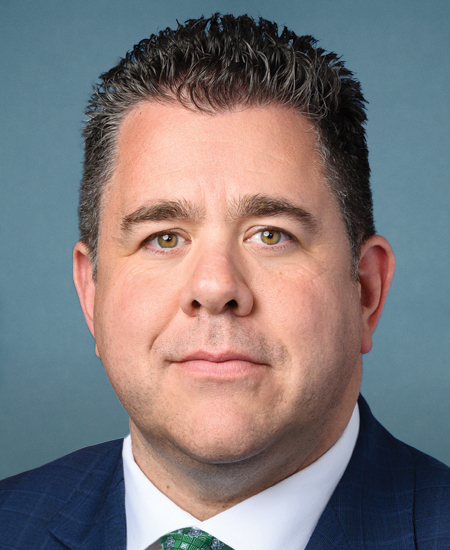
119th Congress Introduced by Nick LaLota

The bill would authorize DoD grants to external programs that supplement the Transition Assistance Program to improve service members’ post-military transition outcomes.

Introduced in House
0
WeVote Research Nonpartisan
Bill Summary · HR 9411

Bill Summary: HR 9411 (119th Congress)

Purpose and Intent

HR 9411 would authorize the Secretary of Defense to provide grants to entities that offer services supplementing the Department of Defense’s Transition Assistance Program (TAP). The underlying goal is to bolster post-military transition support by funding organizations that deliver related services, thereby enhancing the resources available to service members as they move from active duty to civilian life.

Key Provisions

  • Grant Authority to DoD: The bill directs the Secretary of Defense to award grants to eligible entities. These grants are intended to supplement TAP services, not replace them.
  • Supplemental Services Focus: Eligible programs and activities would be those that provide services aligning with or expanding TAP offerings. This could include programs related to career preparation, education, financial literacy, VA benefits navigation, entrepreneurship, or other transition-related supports, as determined by the Secretary.
  • Eligibility and Criteria (implied framework):
    • Entities must provide services that complement TAP.
    • Grants are likely to be administered through a competitive or targeted process to identify organizations that can effectively fill gaps in the transition support landscape.
  • Grant Administration: The bill would establish parameters for grant administration, including potential reporting, accountability, and performance measures to ensure funds are used to improve transition outcomes for service members.

Who Is Affected

  • DoD and TAP Stakeholders: The Department of Defense, particularly the Office or office within TAP responsible for transition programming, would oversee grant distribution and program alignment.
  • Nonprofit and Service Organizations: Nonprofit groups, training providers, educational institutions, veteran service organizations, and other entities that offer transition-related services could be eligible to apply for grants.
  • Service Members and Veterans: Service members nearing or completing their service, and potentially veterans transitioning to civilian life, stand to benefit indirectly through expanded access to transition services.

Procedural and Timeline Aspects

  • Introduction and Referral: The bill was introduced and referred to the House Committee on Armed Services on June 23, 2026.
  • Committee Action: As of the latest action history, the bill has been referred to the Armed Services Committee, where it would undergo markup, hearings, and potential amendments before any floor consideration.
  • Next Steps: If advanced, the bill would move through committee reporting and then to the House floor for debate and a vote. Any passage in the House would require subsequent consideration or reconciliation with Senate counterpart(s) and potential presidential action.

Context and Potential Impacts

  • Impact on Transition Programs: By funding supplementary services, the bill could broaden the scope and reach of transition assistance beyond TAP’s existing offerings, potentially improving employment outcomes, education pathways, and benefits navigation for exiting personnel.
  • Fiscal Considerations: The bill would authorize funding via DoD grants; specifics on funding levels, grant size, and duration would be determined during committee consideration or in the final enacted text.
  • Oversight and Accountability: Successful implementation would likely depend on clear grant criteria, performance metrics, and reporting to ensure funds meet objective transition outcomes.

Note: The summary reflects the bill text and action history available up to the stated date. Details such as exact grant amounts, eligibility criteria, and reporting requirements may be refined during committee deliberations and in the final enacted version.

Compiled from official sources — confirm details with the bill’s official record.

Sign in to ask a question.