

Summary of HR 8576 (119th Congress)
Title
To direct the Federal Communications Commission to establish a program to make grants available to States to inform individuals of potential eligibility for the Lifeline program of the Commission, and for other purposes.
Purpose and intent
- The bill directs the Federal Communications Commission (FCC) to create a grant program that provides funding to U.S. states (and potentially other eligible entities) to inform residents about their potential eligibility for Lifeline benefits.
- Lifeline is a FCC program that provides discounted telecommunications services to low-income households. This bill aims to increase awareness and understanding of Lifeline eligibility to expand program participation.
Key provisions and changes
- Establishment of a state grant program: The FCC would administer grants to states (or eligible entities) to conduct outreach about Lifeline eligibility.
- Outreach and information dissemination: Grants are designated to inform individuals about whether they may qualify for Lifeline benefits, including the application process and required documentation.
- Potential scope of use: While the bill text summarized here emphasizes information and outreach, it may also authorize related activities necessary to inform and assist applicants (e.g., public awareness campaigns, enrollment assistance, and coordination with state agencies). The exact eligible activities would be defined in the FCC program regulations established under the bill.
- Administrative structure: The FCC would oversee grant allocations, compliance, reporting, and measurement of outreach effectiveness as part of administering the Lifeline information program.
Who would be affected
- States and local governments: Eligible recipients of federal grants to conduct Lifeline outreach within their jurisdictions.
- Low-income or eligible residents: Individuals who may qualify for Lifeline benefits would be targeted for information about eligibility and enrollment.
- Service providers and community organizations: Potentially engaged as partners in outreach and enrollment efforts under the grant program.
Procedural and timeline aspects
- Status: Introduced in the House and referred to the House Committee on Energy and Commerce (as of 2026-04-29).
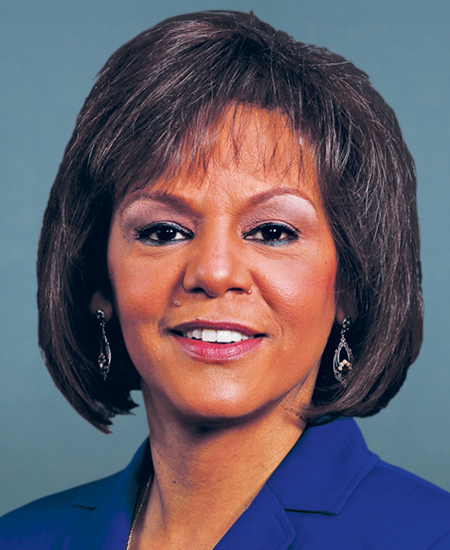
- Sponsorship: Includes a co-sponsor (Representative Robin Kelly).
- Next steps: The committee would review, possibly amend, and vote on the bill before sending it back to the House floor. If approved, it would move to the Senate (and potentially to conference committee in a bicameral process) and then to the President for signature or veto.
- Implementation timing: The bill does not specify exact effective dates in the summary provided. Typically, legislation authorizes a program with a start date upon appropriations and regulatory action by the FCC.
Potential impact
- Increased Lifeline participation through targeted outreach, potentially expanding access to discounted telecom services for eligible households.
- Improved awareness of Lifeline eligibility criteria and enrollment procedures, reducing barriers to apply.
- Enhanced state-level capacity to conduct outreach aligned with federal Lifeline program requirements.
If youโd like, I can tailor this summary to a specific audience (general public, policymakers, or advocacy groups) or add a comparison with current Lifeline outreach efforts and typical grant programs.
Start the Conversation
Be the first to share your thoughts on this petition. Your voice matters!