

WeVote

Bill

Bill

HR 4338

Weather-Safe Energy Act of 2025

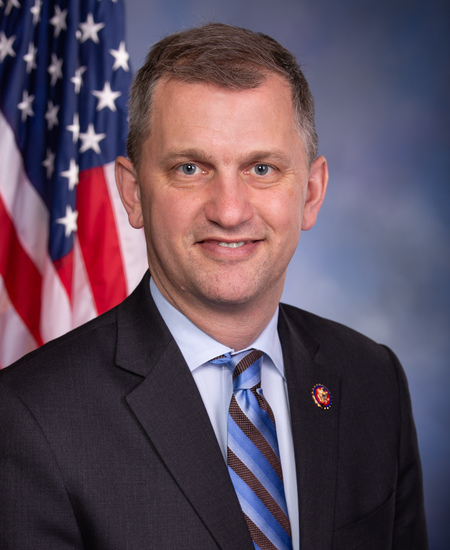
119th Congress Introduced by Sean Casten and 3 co-sponsors

Allocates funding and rules to harden energy grids, accelerate weather-resilient renewables, and advance storage tech to reduce outages during extreme weather.

Introduced in House
0
WeVote Research Nonpartisan
Bill Summary · HR 4338

Legislative bill overview

The Weather-Safe Energy Act of 2025 (HR 4338) aims to enhance the resilience of the United States' energy infrastructure against extreme weather events. The bill proposes funding and regulatory measures to improve the weather-proofing of energy generation, transmission, and distribution systems. This includes upgrading grids, increasing the adoption of renewable energy sources that perform well in adverse weather, and supporting innovation in energy storage and reliability technologies. The objective is to reduce power outages and damages during storms, heatwaves, and other climate-related incidents.

Why is this important

With escalating climate volatility, extreme weather poses increasing threats to energy infrastructure stability, impacting millions of Americans through prolonged outages and economic disruption. Strengthening the resilience of the energy system is critical to national security, public safety, and economic continuity. Investments encouraged by this bill could lead to fewer blackouts, enhanced emergency readiness, and more rapid recovery from disasters, ultimately supporting a more stable and sustainable energy future.

Potential points of contention

  • The financial cost and funding sources for extensive infrastructure upgrades could be controversial, especially regarding federal budget impact and potential rate increases for consumers.
  • The balance between investment in renewable energy versus traditional energy sources might raise debate among stakeholders with differing energy priorities.
  • The feasibility and timelines for implementing advanced technologies at scale could be questioned, potentially delaying anticipated benefits.
  • Regulatory mandates and compliance requirements may face resistance from utility companies and state governments wary of increased federal oversight.
  • The bill’s approach to ensuring equity across urban and rural areas, and among different socioeconomic groups, might be scrutinized for potential disparities in benefits and burdens.

Compiled from official sources — confirm details with the bill’s official record.

Sign in to ask a question.