

WeVote

Bill

Bill

HR 9450

Countering Russian Trafficking Act

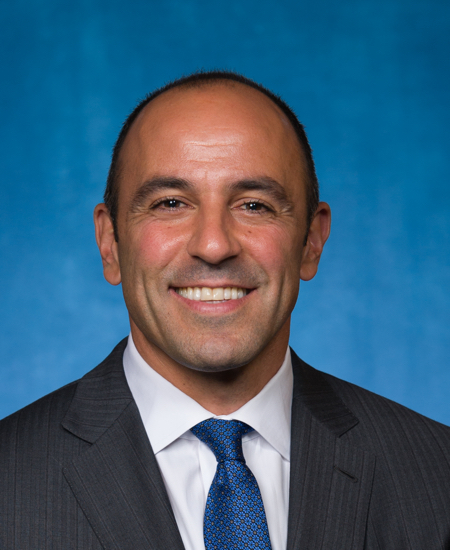
119th Congress Introduced by Jimmy Panetta and 1 co-sponsor

The bill aims to counter Russian-linked human trafficking by strengthening U.S. policy, coordination, and tools to disrupt networks, protect victims, and enhance international coop

Introduced in House
0
WeVote Research Nonpartisan
Bill Summary · HR 9450

Summary of HR 9450 (119th Congress) – To counter Russian trafficking in persons

Purpose and intent

  • The bill is designed to address and counter human trafficking activities that originate from or are linked to Russia. Its stated goal is to strengthen U.S. government efforts to combat trafficking in persons (TIP) connected to Russia and to enhance coordination with international partners and non-governmental organizations in identifying, preventing, and prosecuting such trafficking.

Key provisions and changes

  • Develop and/or enhance policy, reporting, and coordination mechanisms aimed at Russian-linked TIP networks.
  • Potentially authorizes or directs funding to programs that:
    • Support victims of trafficking with services, protection, and asylum/refugee considerations where appropriate.
    • Improve data collection, intelligence sharing, and analytical capabilities related to TIP networks tied to Russia.
    • Expand sanctions, law enforcement tools, and diplomatic engagement to disrupt trafficking operations.
  • Emphasizes interagency collaboration among relevant U.S. government entities (e.g., Department of State, Department of Homeland Security, Department of Justice) and may outline roles for Congress in overseeing and reporting on progress.
  • May include reporting requirements to Congress on the scope of Russian TIP activities, identified networks, and effectiveness of countertrafficking measures.
  • Could propose enhancements to victim identification and protection standards in both domestic and international settings, including potential measures to address forced labor, sex trafficking, and child trafficking linked to Russian actors.

Entities and groups affected

  • Primary focus: victims of trafficking in relation to Russian networks (both in the United States and abroad).
  • Government agencies involved in TIP policy and enforcement (e.g., State Department, DHS, DOJ, HHS) that administer victim services, law enforcement, and international cooperation.
  • Non-governmental organizations and civil society groups that participate in victim support, advocacy, and reporting.
  • Potentially, individuals or entities subject to sanctions or penalties if found to be involved in Russian-linked trafficking networks (subject to existing legal processes).

Procedural and timeline aspects

  • Action history indicates:
    • Introduced in the House and referred to the House Committee on Foreign Affairs on June 24, 2026.
  • As a committee-referred bill, its progression would depend on subsequent committee deliberations, potential amendments, and votes in the House, followed by negotiations with the Senate (if applicable) and potential presidential action.
  • The bill may include specific reporting deadlines or milestones for assessing TIP trends related to Russia, though exact dates are not provided in the summary.

Additional notes

  • The bill has at least two co-sponsors: Jimmy Panetta and Joe Wilson, indicating bipartisan interest.
  • The summary below reflects typical elements of a counter-TIP focused measure; actual text may specify precise authorities, funding levels, reporting schedules, and enforcement mechanisms.

If you’d like, I can adjust this summary to align with the bill’s exact language once the full text is available, or compare it with related existing U.S. anti-trafficking statutes and sanctions authorities.

Compiled from official sources — confirm details with the bill’s official record.

Sign in to ask a question.