Summary: HR 8569 (119th Congress)
Title
To clarify that the baseline is based on current laws and the assumption of continuation of current levels of discretionary appropriations, and for other purposes.
Purpose and intent
- The bill seeks to define the fiscal baseline used for budgeting and appropriations by explicitly basing it on existing law (current statutes) and assuming that discretionary appropriations will continue at their current (baseline) levels.
- By establishing this baseline, the measure aims to constrain or standardize future budget calculations, likely affecting how new spending or revenue measures are evaluated against a fixed reference point.
Key provisions and changes (as implied by title and labeling)
- Baseline Clarification: The core provision is a definitional and methodological clarification that the baseline for budget scoring and fiscal impact analyses uses:
- Current laws in effect at the time of measurement.
- Continuation of current levels of discretionary appropriations (i.e., no growth or reductions unless Congress acts to change them).
- “And for other purposes”: This catch-all phrase indicates the bill may include additional provisions related to budgeting practices, fiscal reporting, or related procedural aspects, though specifics are not detailed in the available description.
- Budget Scoring/Estimating Impact: Implicitly, the bill would affect how the Congressional budget process scores new legislation, potentially making it harder for new programs to show a positive net budgetary impact if discretionary spending is presumed to remain flat.
Who/what would be affected
- Congressional Budget Process: Committees and congressional offices that prepare budget estimates, scoring, and impact analyses.
- Legislation Evaluation: Proposed bills and amendments subject to budget scoring, as their fiscal impact would be assessed against the clarified baseline.
- Executive Agencies (informational): Agencies involved in budget requests and implementing baseline assumptions may align internal planning with the clarified baseline for consistency.
Procedural and timeline aspects
- Introduced: 2026-04-29
- Referred to: House Committee on the Budget
- Status: At the committee referral stage; no enacted provisions available yet beyond the stated purpose.
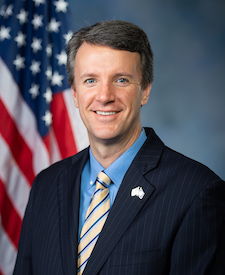
- Sponsor: Co-sponsor Ben Cline (Republican, not specifying party in the provided text, but listed as co-sponsor).
Potential impact and considerations
- Establishing a fixed baseline based on current law and current discretionary levels can influence:
- The apparent cost of new policy initiatives (potentially making them more expensive relative to a flat baseline if growth is expected in many programs).
- The ability to enact tax cuts, entitlement expansions, or deficit-increasing policies, depending on how the baseline interacts with scoring conventions.
- Critics might view the measure as a budgeting restraint that could limit the government’s ability to enact new initiatives without explicit budget increases.
If you’d like, I can add a section comparing HR 8569 to prior baseline-defining proposals or provide a provisional impact assessment once more detailed text becomes available.






Start the Conversation
Be the first to share your thoughts on this petition. Your voice matters!