

Bill
Sponsor avatar

BILL • US HOUSE

HR 9015

To authorize assistance to train and retain obstetrician-gynecologists and sub-specialists in urogynecology and to help improve the quality of care to meet the health care needs of women in least developed countries, and for other purposes.

119th Congress
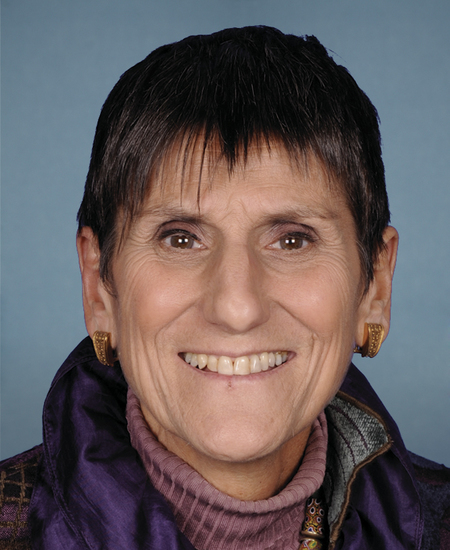
Introduced by Rosa DeLauro,

Funding training and retention of OB-GYNs and urogynecology specialists in least developed countries to improve women's obstetric and gynecologic care.

Introduced in House
0
1
Bill Summary · HR 9015

Overview

HR 9015, introduced in the 119th Congress and referred to the House Committee on Foreign Affairs, seeks to advance maternal health in least developed countries by funding training for obstetrician-gynecologists (OB-GYNs) and sub-specialists in urogynecology, and by supporting efforts to improve the overall quality of women’s healthcare abroad. The bill has a co-sponsor: Rosa DeLauro.

Purpose and Intent

  • Improve access to high-quality obstetric and gynecological care for women in least developed countries.
  • Address shortages of trained OB-GYNs and urogynecology specialists in low-resource settings.
  • Strengthen the capacity of health systems to provide comprehensive women’s health services, including urogynecologic care.

Key Provisions and Changes

  • Authorization of assistance to train OB-GYNs and urogynecology sub-specialists:
    • Funding or program authority to train physicians in obstetrics and gynecology, with a focus on urogynecology (the subspecialty dealing with pelvic floor disorders, incontinence, and related conditions).
    • Support for retention efforts to reduce brain drain and ensure trained specialists remain in the least developed countries.
  • Quality of care initiatives:
    • Programs to improve the standard of women’s health services, potentially including clinical guidelines, training for health workers, and improvements to clinical infrastructure.
    • Possible emphasis on integrated care approaches that combine obstetric and urogynecologic services.
  • International focus:
    • Targeted aid and programs directed at least developed countries, aligning with global health priorities and U.S. foreign assistance goals.

Affected Parties

  • Beneficiaries: Women in least developed countries who require obstetric, gynecologic, and urogynecologic care.
  • Health professionals: Prospective and current OB-GYNs and urogynecology specialists in recipient countries, who would undergo training and capacity-building.
  • Health systems: Public and private health systems in the eligible countries, which would participate in training programs and quality-improvement efforts.
  • U.S. government and foreign affairs stakeholders: House Committee on Foreign Affairs oversees the implementation and oversight of these foreign assistance programs.

Procedural and Timeline Aspects

  • Placement: Bill introduced in the House and referred to the House Committee on Foreign Affairs (as of the action history date).
  • Next steps: Committee consideration could lead to amendments, and potential reporting to the full House. If enacted, program implementation would follow standard foreign aid administration timelines, including funding cycles, grant agreements, and monitoring and evaluation requirements.
  • Timelines and reporting would likely be established in accompanying statutory language or appropriations measures, detailing funding levels, duration, and reporting obligations.

Potential Impact

  • Short-term: Increased training capacity for OB-GYNs and urogynecology specialists in targeted countries; improved pipeline for retaining specialists.
  • Medium-term: Enhanced quality of women’s health services, improved maternal health outcomes, and better management of urogynecologic conditions.
  • Long-term: Strengthened health systems’ capacity to provide specialized obstetric and gynecologic care, contributing to broader gender-equitable health improvements in least developed countries.

Notes

  • Specific funding amounts, eligible countries, program design details, and enforcement or reporting mechanisms are not provided in the summary available. The actual bill text would specify budget authorizations, eligible activities, and oversight requirements.

Hi! I'm your AI assistant for HR 9015. I can help you understand its provisions, impacts, and answer any questions.

Key Provisions Impacts Timeline
Sign in to chat

Start the Conversation

Be the first to share your thoughts on this petition. Your voice matters!

Share your opinion above