

WeVote

Bill

Bill

HR 9600

To approve the location of a commemorative work for Thomas Paine, America's indispensable and unsung Founding Father.

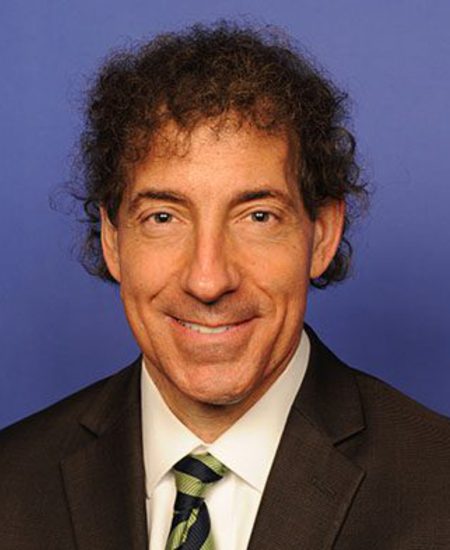
119th Congress Introduced by Jamie Raskin and 1 co-sponsor

The bill authorizes a commemorative site for Thomas Paine and outlines its location, design, funding, oversight, and compliance for installation and maintenance.

Introduced in House
0
WeVote Research Nonpartisan
Bill Summary · HR 9600

Summary of HR 9600 (119th Congress)

Purpose and intent

  • This bill seeks to authorize and approve the location of a commemorative work dedicated to Thomas Paine, described in the title as “America's indispensable and unsung Founding Father.”
  • The core goal is to establish a federal or federally recognized site or monument placement honoring Paine, facilitating the creation, installation, and maintenance of the commemorative work.

Key provisions and changes

  • Authorization of commemorative work: The bill provides formal approval for a specific site location for the Paine commemorative work, enabling the project to proceed under relevant commemorative-works laws and procedures.
  • Site and design parameters: The legislation typically outlines criteria for the proposed site (e.g., public land, federal or associated property) and authorized aspects of the design, appearance, and inscriptions. It may reference compliance with design review, environmental considerations, and coordination with appropriate federal agencies.
  • Administrative oversight: The bill likely designates responsibilities to a federal agency or a joint commission for the planning, acquisition (if applicable), installation, and ongoing maintenance of the monument.
  • Funding and management: Provisions may specify sources of funding (e.g., federal appropriations, private donations, or partnerships) and budgeting processes, including any required reports or audits.
  • Compliance and protections: Standard inclusions may address adherence to laws governing federal commemorative works, accessibility standards, and preservation requirements.

Who or what would be affected

  • The commemorative work project: A designated site for the Paine monument would become the focus of federal action for placement, construction, and upkeep.
  • Federal agencies: Likely involved entities could include a cabinet-level agency responsible for national monuments or park units, or a designated commission charged with overseeing the project.
  • Public and stakeholders: Historians, educators, local communities near the site, veterans or civic organizations, and Paine scholars would be among those affected by the commemorative site and its programming.
  • Environment and local jurisdiction: Any site selection and construction would engage environmental review processes and local zoning or land-use considerations if applicable.

Procedural and timeline aspects

  • Introduction and referral: The bill was introduced in the House and referred to the House Committee on Natural Resources on July 6, 2026.
  • Legislative process: As with standard commemorative-works legislation, the bill would move through committee markup, potential amendments, and floor debate. If enacted, it would proceed to the Senate (and potentially a conference if differences arise) and then to the President for signature.
  • Potential milestones: Site selection finalization, design approval, appropriation or fund-raising milestones, and a construction/installation timeline would typically be established either in the bill or through subsequent implementing actions.

Notes

  • The bill’s text is not provided here, so specifics such as the exact site, dollar amounts, deadlines, or distinctive design requirements are not available. The summary reflects common elements typically found in commemorative-works legislation and the information available from the bill’s title, sponsor information, and referral history.

Compiled from official sources — confirm details with the bill’s official record.

Sign in to ask a question.