

WeVote

Bill

Bill

HR 9094

Florida Freeze Disaster Assistance Act of 2026

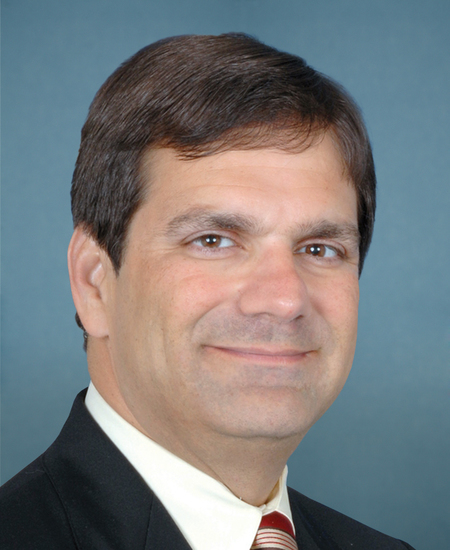
119th Congress Introduced by Gus Bilirakis and 23 co-sponsors

HR 9094 would authorize federal block grants to states to compensate agricultural producers for revenue losses caused by freezes or abnormally cold weather, administered by states

Introduced in House
0
WeVote Research Nonpartisan
Bill Summary · HR 9094

Summary of HR 9094 (Session 119)

Purpose and intent

  • HR 9094 seeks to appropriate funds to provide block grants to U.S. states to counteract revenue losses experienced by agricultural producers due to freezes or cold weather conditions. The underlying goal is to stabilize agricultural incomes and support farm operations when weather events reduce production or sales revenue.

Key provisions and changes

  • Authorization of appropriations: The bill would authorize federal funding to be allocated as block grants to states. These grants are intended to compensate for revenueShortfalls caused specifically by freezes or abnormally cold weather.
  • Use of funds: State governments would administer the grants, distributing assistance to eligible agricultural producers within their borders. The act would define permissible uses tied to mitigating revenue losses from cold events (e.g., compensating producers, supporting marketing or operational adjustments, or other state-defined relief activities as allowed under the program).
  • Administration details: The bill designates a federal role in funding while granting states authority to determine eligibility criteria, application processes, and distribution methods consistent with the program’s objective to address weather-related revenue losses in agriculture.
  • Scope and eligibility: While the exact criteria are not fully enumerated in the summary, the program targets agricultural producers affected by freezes or cold weather. Eligibility rules would likely be established by the administering agency and approved by Congress through appropriations and related guidelines.

Who would be affected

  • Primary recipients: State governments, which would act as administrators of the block grants.
  • Direct beneficiaries: Agricultural producers (farmers, growers, and related agricultural businesses) who suffer revenue losses due to freezes or cold weather events.
  • Secondary impact: Rural economies and agricultural supply chains in states experiencing significant weather-induced revenue reductions.

Procedural and timeline aspects

  • Introduction and referral: The bill was introduced in the House and referred on June 2, 2026, to the Committee on Appropriations and, in addition, to the Committee on the Budget for consideration of provisions within their jurisdiction.
  • Sponsor and co-sponsors: The bill has a broad list of sponsors and co-sponsors from diverse districts, indicating cross-cutting support across different agricultural and economic regions. Notable co-sponsors include both agriculture-focused and budget-minded members.
  • Next steps: Following referral, the committees would hold hearings or markup to consider program specifics, eligibility, funding levels, and implementation timelines. Any passage would require approval by the House and Senate and, subsequently, the President to become law.

Potential impact considerations

  • Economic stability for farmers: By providing a safety net for revenue losses due to weather, the measure could reduce financial stress on producers and stabilize farm income in affected states.
  • State discretion: Since states administer the grants, there may be variability in how funds are allocated and which programs or activities are funded, depending on state priorities and procedures.
  • Implementation logistics: Effective administration would require clear eligibility criteria, timely disbursement, and coordination with existing農 agricultural programs to avoid duplicative aid or gaps in coverage.

If you’d like, I can tailor this summary to a specific state’s context or compare it with similar weather-related relief programs to highlight similarities and differences.

Compiled from official sources — confirm details with the bill’s official record.

Sign in to ask a question.