

WeVote

Bill

Bill

HR 9313

To appropriate $500,000,000 to the low-income household water assistance program under section 2912 of the American Rescue Plan Act of 2021, and for other purposes.

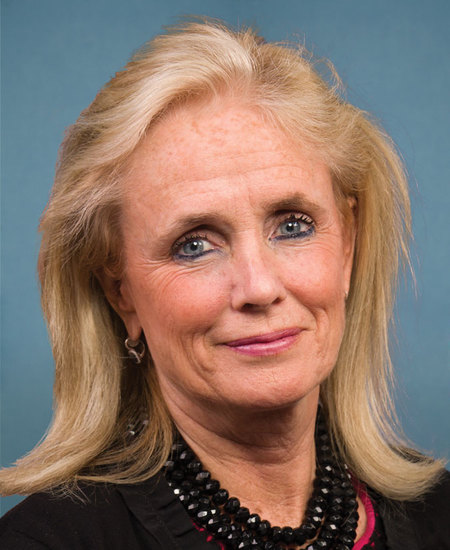
119th Congress Introduced by Debbie Dingell and 1 co-sponsor

Provides $500 million federal funding to support low-income households’ water and wastewater bill relief to prevent shutoffs and reduce utility burdens.

Introduced in House
0
WeVote Research Nonpartisan
Bill Summary · HR 9313

Bill Overview

  • Bill: HR 9313
  • Session: 119
  • Jurisdiction: United States
  • Title: To appropriate $500,000,000 to the low-income household water assistance program under section 2912 of the American Rescue Plan Act of 2021, and for other purposes.
  • Introduced: 2026-06-15
  • Referred to: House Committee on Appropriations
  • Sponsors:
    • Co-sponsors: Debbie Dingell, Rashida Tlaib

Purpose and Intent

The principal aim of HR 9313 is to provide a direct federal appropriation of $500 million designated for the low-income household water assistance program established under section 2912 of the American Rescue Plan Act (ARPA) of 2021. The bill seeks to bolster funding for financial assistance to low-income households for water and wastewater bills, with the overarching goal of preventing service shutoffs, reducing household utility burden, and addressing water affordability challenges that disproportionately affect low-income and vulnerable communities.

Key Provisions and Changes

  • Funding Allocation: Appropriates $500,000,000 to the low-income household water assistance program (as authorized by ARPA, section 2912).
  • Program Scope (as referenced): The targeted program typically supports household assistance for drinking water and wastewater/sewer bills, with higher priority on households facing arrears, disconnections, or household health concerns related to water access.
  • Administration and Use of Funds: The bill directs the funds for the purpose of providing financial assistance to eligible households to pay overdue or current water/wastewater bills, thereby helping to prevent service disruptions and maintain access to essential water services.
  • Strategic Objectives: Aims to reduce energy- and water-burdened households, improve public health outcomes, and support communities with high rates of utility hardship.

Who Would Be Affected

  • Primary Beneficiaries: Low-income households struggling to pay drinking water and wastewater bills, particularly those experiencing arrears or at risk of service shutoffs.
  • Community Utilities and Providers: Water and sewer utilities that administer or partner in the distribution of assistance funds and implement customer relief programs.
  • State and Local Agencies (potentially): Agencies administering ARPA-based water assistance programs or coordinating with the federal program to distribute funds to eligible households.

Procedural and Timeline Aspects

  • Introduction and Referral: Introduced in the House and referred to the Committee on Appropriations (2026-06-15).
  • Next Steps: As an appropriations measure, the bill would typically undergo committee consideration, potential amendments, and, if advanced, consideration on the House floor. If passed, it would proceed to the Senate and, subsequently, to the President for signature or veto.
  • Funding Source and Term: The bill specifies a one-time or ongoing appropriation of $500 million for the ARPA-based water assistance program, contingent on passage and funding allocations within the annual appropriations process.

Potential Impacts and Considerations

  • Financial Impact: Significant federal investment aimed at alleviating water bill debt burdens for low-income households; impact depends on program design, eligibility, and administration.
  • Public Health Benefits: Improved access to safe drinking water and wastewater services can have positive health outcomes, particularly in underserved communities.
  • Implementation Considerations: Effectiveness hinges on streamlined application processes, outreach to eligible households, coordination with state/local agencies, and clear guidelines on eligibility, documentation, and grant/benefit levels.

If you’d like, I can add a comparison to prior ARPA water assistance funding or outline potential advocacy questions and implementation benchmarks.

Compiled from official sources — confirm details with the bill’s official record.

Sign in to ask a question.