

WeVote

Bill

Bill

HR 7546

To amend title XVIII of the Social Security Act to provide coverage for wigs as durable medical equipment under the Medicare program, and for other purposes.

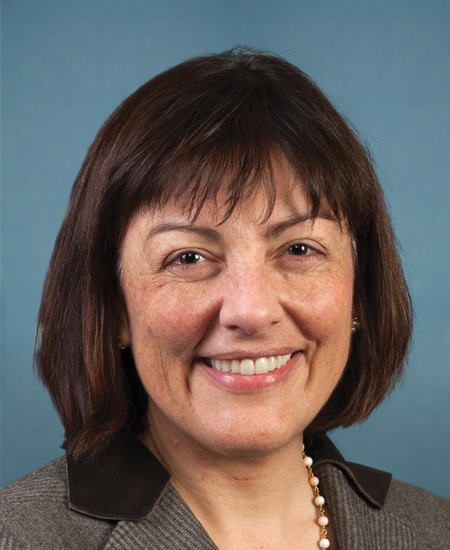
119th Congress Introduced by Suzan DelBene and 3 co-sponsors

Medicare would cover wigs (cranial prostheses) as durable medical equipment when a clinician provides written medical necessity for rehabilitation or hair loss from health conditio

Introduced in House
0
WeVote Research Nonpartisan
Bill Summary · HR 7546

Summary of Bill: HR 7546 (118th? 119th Congress) – Providing Coverage for Wigs as Durable Medical Equipment under Medicare

Purpose and intent

  • The bill aims to amend title XVIII of the Social Security Act to require Medicare coverage for wigs (cranial prostheses) when used as part of a rehabilitation program or to address hair loss resulting from health conditions (including autoimmune diseases, cancer, or chemotherapy).
  • Coverage is conditioned on medical necessity documented by a treating clinician (dermatologist, oncologist, or attending physician) in writing.

Key provisions and changes

  • Amends Section 1861(n) of the Social Security Act to add:
    • Wigs (cranial prostheses) are considered durable medical equipment (DME) when there is a written certification of medical necessity as part of a proposed rehabilitation treatment or hair loss due to health conditions noted above.
  • Amends Section 1862(a)(1) to modify Medicare coverage exclusions/payment rules related to cranial prostheses:
    • Creates a new subparagraph (Q) clarifying Medicare coverage for cranial prostheses that are not certified under the specific written certification process described in Section 1861(n). This appears to ensure some form of coverage or consideration for cranial prostheses even if the formal written certification is not provided, though the exact mechanism would depend on how the new subparagraph is implemented and interpreted in practice.

Who is affected

  • Medicare beneficiaries who experience hair loss or cranial prostheses needs due to health conditions such as autoimmune diseases, cancer, or chemotherapy.
  • Clinicians (dermatologists, oncologists, and attending physicians) who would certify medical necessity in writing for the cranial prosthesis as part of a rehabilitative treatment plan.
  • Medicare program and private- | public payers administering Part B DME benefits, as this changes eligibility criteria and documentation requirements for coverage of wigs.

Procedural and timeline aspects

  • Introduced February 12, 2026 in the House.
  • Referred to the Committee on Energy and Commerce, and to the Committee on Ways and Means for consideration of provisions within their jurisdiction.
  • No enacted effective date is provided in the text excerpt; typically, if enacted, implementation would follow a Department of Health and Human Services rulemaking/Medicare guidance timeline and any applicable transitional provisions.

Additional notes

  • The bill uses the term “cranial prostheses” to describe wigs covered under DME, aligning wig coverage with medically necessary prosthetic devices rather than general cosmetic items.
  • The bill includes a conformity amendment to align existing Medicare exceptions with the new certification framework, potentially broadening or clarifying coverage pathways.

Potential impact

  • Could reduce out-of-pocket costs for patients requiring wigs as part of cancer treatment, autoimmune disease management, or similar conditions.
  • May increase administrative requirements for providers to document written medical necessity.
  • Could influence payer policies and reimbursement practices for cranial prostheses under Medicare Part B DME benefits.

If you’d like, I can compare this proposal to current Medicare treatment of cranial prostheses or provide a quick overview of potential implementation questions and ambiguities that typically arise with new coverage provisions.

Compiled from official sources — confirm details with the bill’s official record.

Sign in to ask a question.