

WeVote

Bill

Bill

HR 8726

PARTNERS Act of 2026

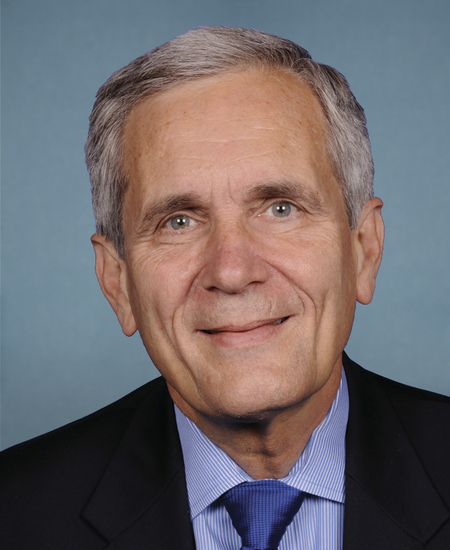
119th Congress Introduced by Lloyd Doggett and 2 co-sponsors

HR 8726 would authorize states to enforce Medicare Advantage plan requirements, boosting state oversight of marketing, networks, benefits, and beneficiary protections.

Introduced in House
0
WeVote Research Nonpartisan
Bill Summary · HR 8726

Summary of HR 8726 (119th Congress)

Purpose and intent

  • HR 8726 seeks to amend title XVIII of the Social Security Act to authorize states to enforce certain requirements related to Medicare Advantage (MA) plans.
  • The bill aims to give state authorities additional tools to ensure MA plans comply with established plan requirements and protections for beneficiaries.

Key provisions and proposed changes

  • Authority to enforce MA plan requirements: The core change would authorize states to implement and enforce standards or requirements applicable to Medicare Advantage plans operating within their borders. This could include oversight of plan practices, benefits, network adequacy, marketing, and beneficiary protections, depending on how the state exercises its enforcement powers.
  • Alignment with federal framework: The measure would operate within the framework of the federal Medicare statute (Title XVIII), potentially creating a state-federal enforcement dynamic to complement existing Centers for Medicare & Medicaid Services (CMS) oversight.
  • Potential scope of enforcement: While the bill text is not provided here, such state enforcement could cover:
    • Plan marketing and disclosure practices
    • Network adequacy and access standards
    • Benefit design disclosures and premium/cost-sharing transparency
    • grievance and appeals processing
    • Protection against misrepresentation or unfair practices

Who would be affected

  • Medicare Advantage plans: Carriers and issuers offering MA plans would be directly subject to any state-enforced requirements enacted under this authority.
  • Medicare beneficiaries enrolled in MA plans: Beneficiaries could gain enhanced protections and potentially more robust state-level oversight of plan practices.
  • State regulatory agencies: States would gain new or expanded enforcement authority under the Medicare Act, potentially requiring resources to administer oversight and investigations.
  • Federal–state compliance dynamics: CMS and HHS would coordinate with states to implement enforcement, including potential collaboration on enforcement actions, data sharing, and avoidance of duplicative regulation.

Procedural and timeline considerations

  • Introduction and referrals: HR 8726 was introduced in the House and referred to the Committee on Ways and Means and, in addition, to the Committee on Energy and Commerce, for consideration of provisions within their jurisdiction. This indicates a partitioned review focusing on both the financial/health financing aspects and the broader health policy/MA program provisions.
  • Sponsor context: The bill lists two co-sponsors:
    • Lloyd Doggett
    • Troy Downing
  • Next steps (typical process): If advanced, the committees would consider the bill, possibly amend it, and report it back to the House. It could then proceed to floor consideration, potential reconciliation with any Senate legislation, and, if enacted, signing by the President and implementation subject to rulemaking and transition timelines.

Potential impacts and considerations

  • Beneficiary protections: Strengthened or expanded state-level enforcement could improve compliance with MA plan requirements, potentially reducing marketing abuses, improving transparency, and enhancing access to networks and benefits.
  • Regulatory balance: The bill would introduce a greater role for states in enforcing MA plan requirements, which could necessitate clear coordination with CMS to prevent overlapping or conflicting standards.
  • Implementation burden: States may need to allocate resources for enforcement, investigations, and potential actions against MA plans, along with ensuring alignment with federal standards.

Note: This summary reflects the information available from the bill’s action history and sponsor listings. For a complete understanding, the full text of HR 8726 and any accompanying committee reports, amendments, and fiscal implications should be reviewed.

Compiled from official sources — confirm details with the bill’s official record.

Sign in to ask a question.