

WeVote

Bill

Bill

HR 1279

To amend title XIX of the Social Security Act to establish a community engagement requirement for certain individuals under the Medicaid program.

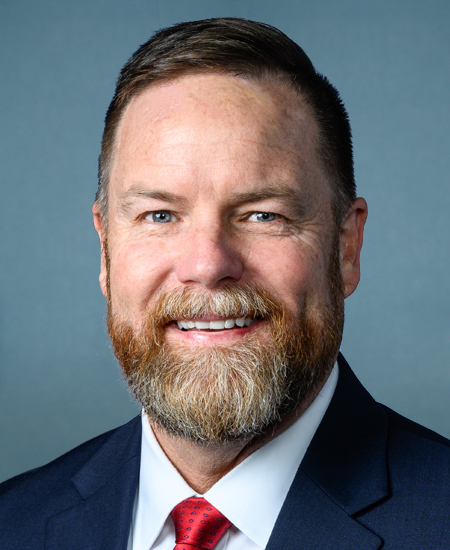
119th Congress Introduced by Aaron Bean and 3 co-sponsors

HR 1279 requires certain Medicaid recipients to engage in 80 hours of work or community service monthly to maintain benefits, promoting self-sufficiency and reducing dependency.

Introduced in House
0
WeVote Research Nonpartisan
Bill Summary · HR 1279

Summary of HR 1279: Community Engagement Requirement for Medicaid

Bill Information:
- Bill Number: HR 1279
- Title: To amend title XIX of the Social Security Act to establish a community engagement requirement for certain individuals under the Medicaid program.
- Status: Introduced in House
- Introduced Date: February 13, 2025
- Classification: Bill

Purpose and Intent

The primary purpose of HR 1279 is to amend the Social Security Act to implement a community engagement requirement for certain individuals enrolled in the Medicaid program. This legislation aims to encourage participation in work or community service activities among Medicaid recipients, thereby promoting self-sufficiency and reducing dependency on government assistance.

Key Provisions

The bill introduces several significant changes to the Medicaid program:

  1. Community Engagement Requirement:

    • Individuals classified as "applicable individuals" must meet at least one of the following criteria each month:
      • Work a minimum of 80 hours per month or earn an income equivalent to the federal minimum wage for that duration.
      • Complete 80 hours of community service.
      • Participate in a work program for at least 80 hours per month.
      • Engage in a combination of work and community service totaling 80 hours.
  2. Verification Process:

    • State Medicaid agencies are required to utilize existing databases (e.g., payroll databases, National Change of Address Database) to verify compliance with the community engagement requirement before seeking additional information from individuals.
  3. Definition of Applicable Individuals:

    • The bill specifies that "applicable individuals" do not include:
      • Those under 18 or over 65 years of age.
      • Individuals deemed physically or mentally unfit for employment.
      • Pregnant individuals.
      • Parents or caretakers of dependent children or incapacitated persons.
      • Those complying with work requirements under other federal programs or participating in drug/alcohol rehabilitation programs.
      • Individuals enrolled in educational programs at least half-time.
  4. State Disenrollment Option:

    • States may choose to disenroll applicable individuals for a month if they do not meet the community engagement requirement, resulting in no federal financial participation for that month.

Impact

The implementation of HR 1279 would primarily affect:
- Medicaid Recipients: Individuals who fall under the definition of applicable individuals will need to comply with the new engagement requirements to maintain their Medicaid benefits.
- State Medicaid Agencies: States will need to adjust their administrative processes to verify compliance and potentially disenroll individuals who do not meet the requirements.

Legislative Actions

  • February 13, 2025: The bill was introduced and referred to the House Committee on Energy and Commerce.

Sponsors

The bill is sponsored by:
- Aaron Bean (Primary Sponsor)
- Scott Franklin (Cosponsor)
- Harriet M. Hageman (Cosponsor)
- Mike Kennedy (Cosponsor)

This summary provides an overview of HR 1279, highlighting its purpose, key provisions, and potential impact on Medicaid recipients and state agencies. The bill reflects a significant shift towards promoting community engagement among individuals receiving Medicaid benefits.

Compiled from official sources — confirm details with the bill’s official record.

Sign in to ask a question.