

WeVote

Bill

Bill

HR 9763

SWIFT Act of 2026

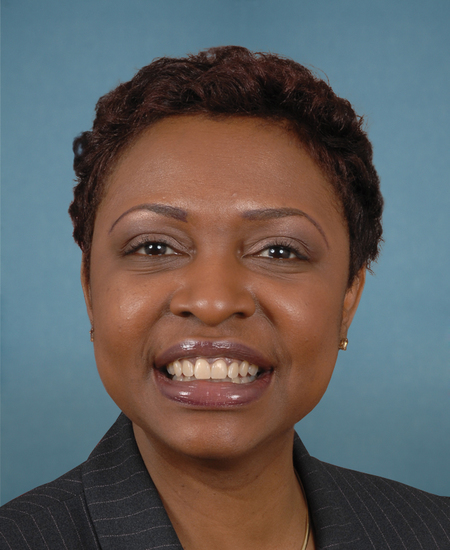
119th Congress Introduced by Yvette Clarke and 6 co-sponsors

The bill would raise and broaden Social Security survivor benefits for disabled widows, widowers, and surviving divorced spouses, improving eligibility and benefit amounts.

Introduced in House
0
WeVote Research Nonpartisan
Bill Summary · HR 9763

Overview

Bill: HR 9763 (119th Congress)
Title: To amend title II of the Social Security Act to increase survivors benefits for disabled widows, widowers, and surviving divorced spouses, and for other purposes.

Sponsors: Several House members (co-sponsors include Eleanor Holmes Norton, Dina Titus, Rashida Tlaib, Yvette Clarke, Seth Moulton, Chellie Pingree, Mary Gay Scanlon)

Status: Introduced and referred to the House Ways and Means Committee and the House Oversight and Government Reform Committee (dated 2026-07-16).

Purpose and intent

  • The primary aim is to enhance Social Security survivors benefits specifically for certain groups: disabled widows and widowers, as well as surviving divorced spouses.
  • The bill seeks to amend Title II of the Social Security Act to provide higher or more favorable survivors benefits for these groups, addressing gaps or limitations in current law.

Key provisions and changes (as framed by the bill’s title and purpose)

  • Eligibility: Broadening or adjusting eligibility criteria for survivors benefits to include disabled widows, widowers, and surviving divorced spouses more favorably.
  • Benefit levels: Increasing the benefit amounts payable to the covered survivor categories, relative to current Schedule of Social Security survivors benefits.
  • Disability considerations: Recognizing the ongoing disability status of the survivor as a factor in determining or calculating benefits, potentially extending eligibility or rate protection for beneficiaries with disabilities.
  • Survivorship considerations: Potential modifications to how benefits are calculated when there is remarriage, remarriage implications, or other life events affecting surviving spouses.
  • Administrative alignment: Provisions could require or authorize adjustments to the way benefits are administered, reported, or verified to implement higher benefits.

Note: The bill’s exact numerical changes (percent increases, specific dollar amounts, or reform tables) are not provided in the summary text available here. The language would be carried in the bill’s text and related amendments to Title II.

Who would be affected

  • Disabled surviving spouses: Individuals who are widowed (or surviving divorced spouses) and who have disabilities, who would receive increased benefits and/or more favorable eligibility terms.
  • Optional reliance on disability status: Beneficiaries whose eligibility or benefit level is tied to disability determinations could see amplified benefits or reduced risk of benefit reduction.
  • Family/estate planning: Families and beneficiaries relying on Social Security survivor benefits may experience changes in timing and amount of support.
  • Administrators and agencies: The Social Security Administration would implement changes, update procedures, and adjust IT and processing workflows to reflect new benefit calculations.

Procedural and timeline aspects

  • Introduced in the House and immediately referred to two committees:
    • Ways and Means (primary jurisdiction for Social Security and related tax and benefit programs)
    • Oversight and Government Reform (for considerations within its jurisdiction)
  • Referral “for a period to be subsequently determined by the Speaker” indicates standard prerogative of committee consideration timelines.
  • No specific effective date or sunset provision is stated in the summary; full details would be in the bill text, including effective dates for the new benefits and any transitional rules.

Potential impacts and considerations

  • Budgetary: Increase in survivor benefits could raise Social Security outlays; fiscal analysis would be needed to estimate cost and long-term solvency implications.
  • Equity and adequacy: By targeting disabled survivors, the bill may address observed adequacy gaps in survivor benefits for individuals with ongoing disabilities.
  • Administrative: Implementing higher benefits may require updates to benefit calculators, wage-indexing rules, and disability-related eligibility criteria in SSA systems.
  • Economic security: Enhanced benefits could improve financial security for disabled surviving spouses and could have downstream effects on dependent children and household composition.

If you’d like, I can summarize the bill’s exact text, proposed benefit formulas, or potential fiscal impact once the official cost estimate or full bill language is available.

Compiled from official sources — confirm details with the bill’s official record.

Sign in to ask a question.