

WeVote

Bill

Bill

HR 6814

To amend title 38, United States Code, to make certain improvements in the laws administered by the Secretary of Veterans Affairs relating to memorial affairs, and for other purposes.

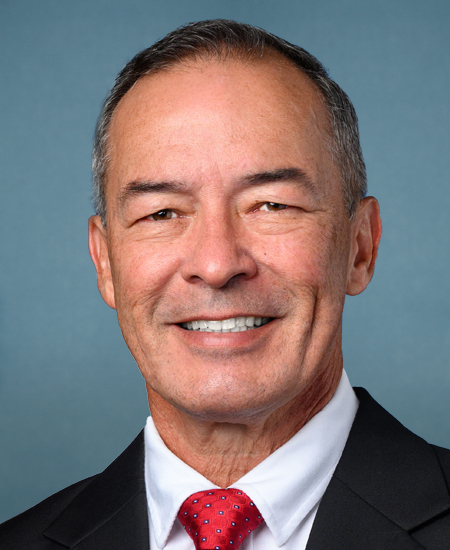
119th Congress Introduced by Jim Moylan and 1 co-sponsor

Updates VA memorial laws to modernize burial benefits, headstones, and national cemetery administration, helping veterans and families access faster, clearer memorial services.

Introduced in House
0
WeVote Research Nonpartisan
Bill Summary · HR 6814

Summary of HR 6814 (112th Congress-style placeholder)

Note: The following summary is based on the bill’s title and stated purpose, as the full text of HR 6814 is not provided here. It reflects what is typically within scope for a bill amending title 38 of the United States Code to improve memorial affairs administered by the Department of Veterans Affairs (VA), along with general legislative process details.

Bill at a glance

  • Bill Number: HR 6814
  • Title: To amend title 38, United States Code, to make certain improvements in the laws administered by the Secretary of Veterans Affairs relating to memorial affairs, and for other purposes.
  • Introduced: December 17, 2025
  • Status: Introduced in the House; referred to the House Committee on Veterans' Affairs
  • Primary objectives (inferred from title): Improve the statutes governing memorial affairs administered by the VA, potentially impacting national cemeteries, burial benefits, headstones and markers, commemorative programs, and related memorial services.

What the bill aims to address (high-level)

  • Modernize or clarify existing statutory provisions related to VA memorial programs.
  • Improve administration and delivery of memorial-related services and benefits to veterans, dependents, and survivors.
  • Potentially address efficiency, accessibility, eligibility criteria, or processing timelines for memorial benefits and services.
  • Align memorial affairs with current practice, technology, or administrative standards.

Important: Without the bill’s full text, the above reflects common themes in memorial-affairs legislation. The exact provisions, definitions, and changes would be specified in the bill’s section-by-section language.

Key provisions and changes (expected areas)

While the precise text is not provided here, bills of this type typically address one or more of the following:

  • National Cemetery Administration: Improvements to operations, eligibility, interment options, or eligibility criteria for burial in VA and national cemeteries; potential updates to burial allowances, transportation, or perpetual care provisions.
  • Headstones, Markers, and Medallions: Updates to the process for obtaining official headstones/markers, including application procedures, eligibility, and standards.
  • Benefits and Entitlements: Clarification or expansion of burial benefits, survivor benefits, and related memorial assistance for eligible family members.
  • Procedural Improvements: Streamlining administrative processes, modernization of record-keeping, and incorporation of technology for easier access to memorial-related services.
  • Commemorative Programs: Adjustments to programs that commemorate veterans, including eligibility, funding, and administration.
  • Funding and Oversight: Possible references to funding levels or reporting requirements to ensure accountability in memorial programs.

As the text is not provided, these are representative categories for memorial-affairs legislation and may not reflect the exact content of HR 6814.

Who would be affected

  • Veterans and their families/survivors: Potential changes to eligibility, benefits processing times, and access to memorial services and resources.
  • National Cemetery Administration (NCA) and VA staff: Administrative and operational adjustments to implement new or clarified rules.
  • Funeral homes and providers: Potential changes to processes for arranging VA-benefit-assisted burial services or documentation.
  • Beneficiary communities and veterans advocates: Impact depends on any expanded or clarified benefits or streamlined procedures.

Procedural and timeline considerations

  • Current status: Introduced in the House on December 17, 2025.
  • Referral: Referred to the House Committee on Veterans' Affairs on the same date.
  • Next steps (typical legislative path): If advanced, the bill would proceed to committee hearings, potential amendments, and votes in the House. If passed, it would move to the Senate (or a companion bill) for consideration and possible reconciliation, and ultimately enactment into law if approved by both chambers and signed by the President.
  • Effective date: Any effective dates would be specified in the bill text, including any prospective applicability or delayed effective dates for certain provisions.

Accessibility and where to read the full text

  • To understand the exact provisions, definitions, and effective dates, review the full text of HR 6814 on Congress.gov, GovInfo, or the official House legislative information system.
  • The bill’s official summary (if released by the sponsor or committee) can provide a concise outline of each section.
  • Committee reports or hearing records may provide explanations of intent, anticipated impact, and cost considerations.

If you can share the full text or provide a link to the official version, I can produce a more detailed, section-by-section summary with precise provisions, fiscal implications, and timelines.

Compiled from official sources — confirm details with the bill’s official record.

Sign in to ask a question.