

WeVote

Bill

Bill

HR 9752

Protecting Home-Based Care for Rural Veterans Act of 2026

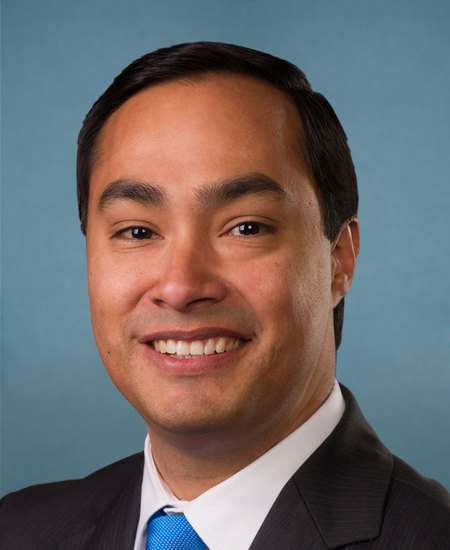
119th Congress Introduced by Joaquin Castro and 9 co-sponsors

The bill aims to establish fair reimbursement rates for VA home and community-based services to ensure providers are paid adequately and access for veterans improves.

Introduced in House
0
WeVote Research Nonpartisan
Bill Summary · HR 9752

Overview

HR 9752, introduced in the 119th Congress and referred to the House Committee on Veterans' Affairs, aims to amend title 38 of the United States Code to ensure fair reimbursement rates for home and community-based services (HCBS) furnished by the Department of Veterans Affairs (VA), and for other purposes. The bill has a diverse group of cosponsors from both parties and regions, signaling a focus on improving access to VA HCBS.

Purpose and intent

  • The primary objective is to ensure fair reimbursement rates for home and community-based services provided by VA. This suggests reforms to how the VA bills for or reimburses HCBS, with the goal of aligning rates with other standards (potentially market or programmatic benchmarks) to avoid underpayment or access barriers for veterans who rely on HCBS.
  • The bill may address gaps in current reimbursement structures that affect the delivery of HCBS by VA or through VA-contracted providers.

Key provisions and changes (as typically associated with this type of bill)

While the full text is not provided here, the bill’s stated aim implies changes such as:
- Amending title 38 U.S.C. to adjust or establish reimbursement methodologies for HCBS furnished by VA.
- Establishing or clarifying rate-setting processes to ensure “fair” compensation for providers delivering home-based or community-based services to veterans.
- Potential alignment with comparable federal or state HCBS payment rates, benchmarks, or cost-based calculations.
- Provisions to ensure timely payment, reduce administrative burdens, or improve transparency in the reimbursement process.
- Possible protections or standards to ensure access to HCBS for veterans in rural, underserved, or otherwise disadvantaged areas.

Affected parties

  • Veterans receiving home and community-based services from VA or VA-contracted providers.
  • VA healthcare system and related program offices responsible for HCBS reimbursement.
  • Home health agencies, clinicians, and other providers delivering HCBS to veterans (who would be affected by rate changes and payment timelines).
  • Potentially, state and local partners if the reimbursement framework interacts with non-VA HCBS providers or matching funds.

Procedural and timeline aspects

  • Status: Referred to the House Committee on Veterans' Affairs (as of 2026-07-16) after introduction in the House.
  • Next steps typically include committee consideration, potential markups, and eventual floor debate and vote in the House. If passed, the bill would move to the Senate for consideration.
  • The bill’s effective date and any transition provisions (e.g., phased implementation, interim rates) would be specified in the text; those details are not provided in the summary here.

Potential impact

  • Improved financial stability for providers delivering HCBS to veterans, which could enhance access to services, reduce wait times, and support care at home or in community settings.
  • Potentially broader geographic access to VA HCBS if rates address cost-of-service disparities across regions.
  • Implications for VA budgeting and annual appropriations related to HCBS reimbursement.

If you’d like, I can tailor this summary to a specific audience (general public, policymakers, or advocacy groups) or incorporate any available text from the bill for more precise details.

Compiled from official sources — confirm details with the bill’s official record.

Sign in to ask a question.