

WeVote

Bill

Bill

HR 9142

To amend title 35, United States Code, to limit the ability of persons who pose a threat to national security to receive and enforce patents, and for other purposes.

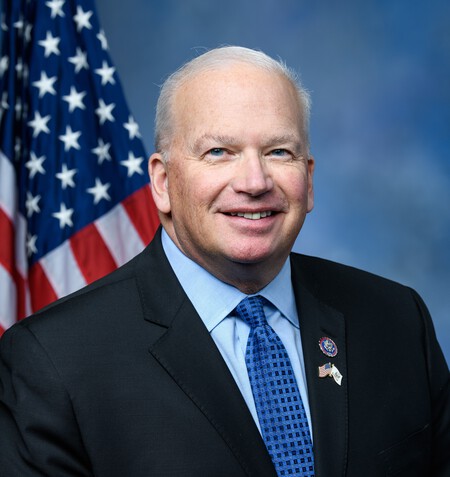
119th Congress Introduced by Scott Fitzgerald and 2 co-sponsors

The bill would restrict patent rights and enforcement for individuals or entities deemed a national-security threat.

Introduced in House
0
WeVote Research Nonpartisan
Bill Summary · HR 9142

Summary of HR 9142 (119th Congress)

Purpose and intent

HR 9142 seeks to amend title 35 of the United States Code to restrict the ability of individuals who pose a threat to national security from obtaining and enforcing patents. The bill aims to strengthen national security by limiting patent rights and enforcement tools for certain parties deemed to present security risks.

Key provisions and changes (highlights)

  • Eligibility for patent rights and enforcement: The bill would create criteria or mechanisms to identify individuals or entities considered a national-security threat and restrict their ability to obtain patents or enforce patent rights.
  • Pre-issuance and post-issuance restrictions: Possible provisions to bar or limit issuance of patents to flagged individuals/entities and to constrain enforcement actions, licensing, or transfer of patent rights by those parties.
  • Enforcement and remedies: Potential changes to how these restricted patents can be litigated, including standing to sue for patent infringement and the ability of courts to stay or dismiss claims involving restricted patentees.
  • National security safeguards: Provisions likely intended to align patent policy with national-security objectives, including collaboration with relevant government agencies to assess risk and determine who qualifies as posing a threat.
  • Definitions and trigger mechanisms: The bill would define terms related to security threats and outline who is subject to restrictions (e.g., individuals with certain affiliations, connections to sanctioned entities, or other determined risk factors).

Who would be affected

  • Individuals and entities identified as national-security threats: These parties would face limitations on obtaining patent protection and enforcing patent rights.
  • Patent applicants and holders: Applicants who might otherwise qualify for patents or patent enforcement could be restricted if they meet the threat criteria.
  • Judicial and administrative bodies: Courts and patent offices (e.g., the USPTO) would implement and adjudicate the new restrictions, including enforcement actions and potential waivers or exemptions where appropriate.
  • Related industries: Sectors with strong national-security considerations (e.g., defense, critical technologies) could experience changes in patent strategy, licensing, and enforcement dynamics.

Procedural and timeline considerations

  • Introductory status: Introduced in the House and referred to the Committee on the Judiciary on June 4, 2026.
  • Legislative process: As with most bills, passage would require committee hearings, potential amendments, and votes by the House, and potentially consideration by the Senate, followed by presidential action.
  • Practical implementation: If enacted, rules and criteria would need to be developed or refined by the Patent Office (USPTO) and relevant national-security agencies, with potential rulemaking and guidance to implement the statutory framework.

Additional notes

  • The bill has three co-sponsors: Darrell Issa, Scott Fitzgerald, and John Moolenaar.
  • The text and exact mechanisms (e.g., the precise criteria for “threats” and how determinations are made) are not provided here; the summary reflects advertised scope and typical design elements for national-security–related patent restrictions.

If you’d like, I can pull the bill’s full text or related committee materials to provide a more detailed, line-by-line breakdown of specific sections and proposed amendments.

Compiled from official sources — confirm details with the bill’s official record.

Sign in to ask a question.