

WeVote

Bill

Bill

HR 9143

To amend title 35, United States Code, to require the Director of the United States Patent and Trademark Office to require disclosures in patent applications regarding ties to the People's Republic of China and other foreign adversaries, and for other purposes.

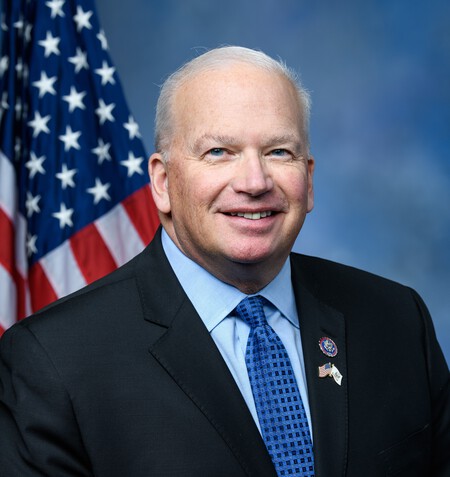
119th Congress Introduced by Scott Fitzgerald

The bill would require patent applicants to disclose ties to the PRC and other foreign adversaries to enhance national security in the patent process.

Introduced in House
0
WeVote Research Nonpartisan
Bill Summary · HR 9143

Overview

HR 9143, introduced in the 119th Congress, would amend title 35 of the United States Code to require disclosures in patent applications related to ties to the People’s Republic of China (PRC) and other foreign adversaries. The bill aims to increase transparency about potential foreign influence or ownership in patent filings and to enhance national security considerations in the patent process. The sponsor is Rep. Scott Fitzgerald, with at least one co-sponsor.

Objective and intent

  • Ensure that patent applicants disclose connections to adversarial foreign powers, specifically the PRC, and other foreign adversaries.
  • Strengthen national security-related screening within the patent system by flagging relevant affiliations or influence that could affect the integrity or national interest of patent proceedings.
  • Provide the United States Patent and Trademark Office (USPTO) with information needed to assess potential foreign ties that might impact the ownership, control, or strategic value of patented technologies.

Key provisions and changes

  • Disclosure requirement: Patent applicants would be required to disclose ties to the PRC and other foreign adversaries as part of the patent application process.
  • Scope of disclosures: The bill likely defines what constitutes “ties” or connections, which may include financial interests, control, funding, employment, or other affiliations with foreign entities or individuals connected to adversarial governments.
  • USPTO role: The USPTO would be mandated to collect, review, and potentially act upon these disclosures as part of the patent examination or post-grant procedures.
  • Potential enforcement: The bill may establish penalties or corrective measures for false or omitted disclosures, and outline administrative processes for handling non-compliance.
  • National security considerations: The statute would align patent processing with national security goals by ensuring transparency of foreign influence in patent ownership or control.

(Note: Since the exact text of HR 9143 is not provided here, the summary focuses on the typical features such disclosures would entail and the policy intent described in the bill’s title and summary.)

Who would be affected

  • Patent applicants: Individuals or entities seeking patent protection would need to disclose relevant foreign ties.
  • Applicants’ assignees and entities with ownership or control ties to foreign adversaries.
  • USPTO and patent examiners: Responsible for receiving disclosures, assessing disclosures for relevance, and applying any additional procedures or penalties.
  • Potentially foreign entities with connections to U.S. patent applicants may be indirectly affected through increased scrutiny.

Procedural and timeline aspects

  • Legislative steps so far: The bill was introduced in the House and referred to the House Committee on the Judiciary on June 4, 2026.
  • Status implications: As a referral to committee is an early stage, the bill would proceed to committee hearings, markups, and potential floor consideration, subject to congressional action.
  • Effective date: The bill’s text would specify when the disclosure requirement takes effect (e.g., upon enactment or after a defined implementation period). This summary notes the typical pattern but cannot confirm the exact effective date without the full text.

Potential impacts and considerations

  • National security: Aims to reduce foreign influence in critical technologies by increasing transparency.
  • Compliance burden: Adds a disclosure requirement that could increase administrative workload for applicants and USPTO staff.
  • Legal risk: Creates possible penalties for incomplete or false disclosures, influencing applicant behavior.
  • International relations: Could affect perceptions of U.S. patent policy toward foreign investors and collaborators.

If you’d like, I can refine this summary once the bill’s full text is available to confirm the precise definitions, disclosure scope, penalties, and effective dates.

Compiled from official sources — confirm details with the bill’s official record.

Sign in to ask a question.