

WeVote

Bill

Bill

HR 7916

To amend title 34, United States Code, to authorize eligible privately owned and operated forensic DNA testing laboratories to directly upload qualifying DNA profiles to the National DNA Index System, and for other purposes.

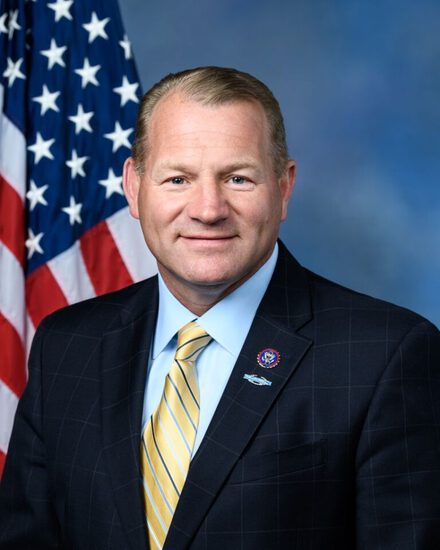
119th Congress Introduced by Troy Nehls

HR 7916 permits private forensic DNA labs to directly upload DNA profiles to the FBI's national database, potentially speeding investigations but raising privacy and quality control concerns.

Introduced in House
3
WeVote Research Nonpartisan
Bill Summary · HR 7916

Legislative bill overview

HR 7916 would amend federal law to permit privately owned and operated forensic DNA testing laboratories to directly upload DNA profiles to the National DNA Index System (NDIS), the FBI's centralized DNA database. Currently, only government-operated laboratories have this direct access; private labs must submit profiles through intermediaries. The bill aims to streamline this process for "qualifying" DNA profiles.

Why is this important

This change could accelerate DNA matching in criminal investigations by reducing bureaucratic delays and expanding the database's reach. However, it fundamentally shifts who controls access to one of law enforcement's most powerful investigative tools, raising questions about oversight, quality control, and privacy safeguards for millions of DNA records maintained by the government.

Potential points of contention

  • Quality and standards control: Private labs operate under different regulations than FBI-certified public labs. Direct upload could introduce inconsistencies or errors without adequate federal vetting of each lab's standards and procedures.
  • Privacy and mission creep: Private labs may have weaker data security protocols or different privacy policies than government facilities. Expanded private access increases risks of unauthorized data use, breaches, or commercial misuse of genetic information.
  • Oversight and accountability: Direct uploads reduce transparency about how DNA data enters the national system. It's unclear what "qualifying" means, who determines eligibility, and how violations would be enforced against private entities.

Compiled from official sources — confirm details with the bill’s official record.

Sign in to ask a question.