

WeVote

Bill

Bill

HR 9264

To amend title 18, United States Code, to strike all exceptions to the circumstances in which it is unlawful for aliens to vote, and for other purposes.

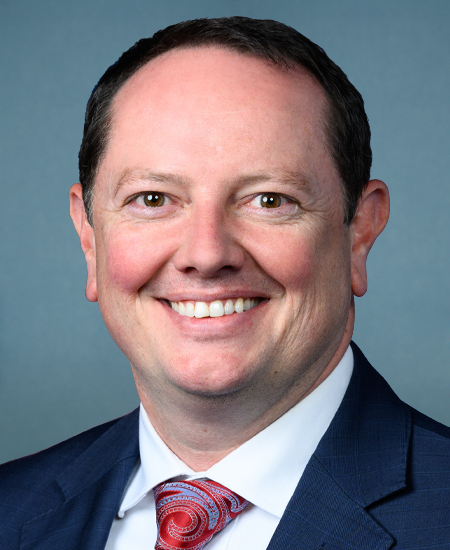
119th Congress Introduced by Eric Burlison and 2 co-sponsors

The bill would strike all statutory exceptions that allow non-citizens to vote, effectively prohibiting any non-citizen voting under federal law.

Introduced in House
0
WeVote Research Nonpartisan
Bill Summary · HR 9264

Overview

HR 9264 is a proposed bill in the 119th U.S. Congress that would amend title 18 of the United States Code to strike all statutory exceptions related to when it is unlawful for non-citizens (aliens) to vote. In effect, the bill seeks to remove existing provisions that permit limited or specific circumstances under which non-citizens may be allowed to vote, and to restrict voting by non-citizens to no exceptions, thereby tightening prohibitions on non-citizen voting. The bill was introduced in the House and referred to the Judiciary Committee on June 11, 2026. It has three co-sponsors: Andy Ogles, Eric Burlison, and Barry Moore.

Legislative details

  • Bill number and status: HR 9264, introduced in the House on June 11, 2026; referred to the House Committee on the Judiciary.
  • Sponsors:
    • Primary sponsor: (not listed in provided text)
    • Co-sponsors: Andy Ogles, Eric Burlison, Barry Moore
  • Jurisdiction: United States; Title: To amend 18 U.S.C. to strike all exceptions to the circumstances in which it is unlawful for aliens to vote, and for other purposes.

Purpose and intent

  • The core aim of the bill is to eliminate all statutory exemptions that currently permit non-citizens to vote under any defined circumstances. By striking these exceptions, the bill intends to reinforce that non-citizens are categorically prohibited from voting in federal elections and potentially in other elections governed by the relevant U.S. code provisions.

Key provisions and changes (inference based on title)

  • Strike all voting exceptions for aliens: The bill would remove any existing legal allowances or exemptions that permit non-citizens to participate in voting in elections covered by the statute.
  • Unspecified “other purposes”: The phrase “and for other purposes” suggests additional related amendments to 18 U.S.C. or related enforcement provisions that support stricter enforcement against non-citizen voting, though specific provisions are not detailed in the summary provided.
  • Enforcement implications: While not explicitly stated in the summary, changes of this type typically affect criminal penalties, enforcement priorities, and guidance for prosecutors regarding non-citizen voting.

Who is affected

  • Non-citizens (aliens): The primary group affected, as the bill narrows or eliminates permissible voting circumstances under federal law.
  • Election officials and jurisdictions: May experience changes in enforcement guidance and compliance requirements related to who may be registered to vote and participate in elections.
  • Prosecutors and the Department of Justice: If enacted, enforcement would reflect the stricter prohibitions, potentially altering charging decisions and prosecutorial priorities regarding non-citizen voting.

Procedural and timeline aspects

  • Introduction and referral: Introduced in the House on June 11, 2026, and referred to the House Committee on the Judiciary.
  • Next steps (typical): If advanced, the committee may hold hearings, mark up the bill, and vote to report it to the full House. The House could consider floor action, followed by potential passage, modification, or defeat. Any passage would then move to the Senate, where similar steps would be required for enactment and eventual signature into law by the President.

Potential impacts to consider

  • Legal certainty on voting eligibility: The bill would likely reduce ambiguity by eliminating permissible exceptions, potentially simplifying eligibility determinations but increasing restrictions on non-citizen voting.
  • Election administration: Could require updates to registration and voting guidance to align with a stricter framework.
  • Constitutional considerations: Depending on the scope of the amendments, there could be legal debates over whether certain non-citizen voting exceptions (e.g., for specific local jurisdictions or ceremonial participations) are preserved or fully eliminated. The constitutionality would depend on the exact text and how it interacts with existing electoral laws and rights framework.

Note: The provided summary is based on the bill’s title and the available action history and sponsor information. For detailed provisions, exact language, and potential fiscal or regulatory effects, the bill’s full text and committee reports would be required.

Compiled from official sources — confirm details with the bill’s official record.

Sign in to ask a question.