

WeVote

Bill

Bill

HR 9399

To amend title 18, United States Code, to provide for criminal penalties for a person who provides fire arms to juveniles if such firearms are thereafter used for the commission of a criminal offense.

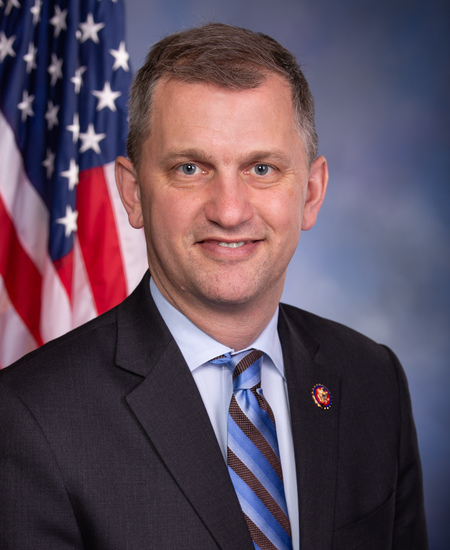
119th Congress Introduced by Sean Casten and 1 co-sponsor

The bill imposes criminal penalties on those who give firearms to minors if the weapons are later used in a juvenile crime.

Introduced in House
0
WeVote Research Nonpartisan
Bill Summary · HR 9399

Summary of HR 9399 (117th Congress) — To amend title 18, United States Code, to provide for criminal penalties for a person who provides firearms to juveniles if such firearms are thereafter used for the commission of a criminal offense

Purpose and intent

  • The bill seeks to create criminal penalties for individuals who provide firearms to juveniles when those firearms are later used to commit a criminal offense.
  • The central aim is to address firearm-related violence by targeting adults or others who supply guns to minors, recognizing the role such provisioning can play in juvenile gun violence.

Key provisions and changes

  • Amends title 18 of the United States Code to establish criminal liability for furnishing firearms to juveniles under circumstances where the firearms are subsequently used in the commission of a criminal offense.
  • The bill defines the scope of “provides firearms to juveniles” and the types of offenses that would trigger penalties, typically aligning with existing federal firearm provisions and offenses related to gun trafficking, unlawful possession, or use in crime. (Note: specific statutory text and penalties would be detailed in the bill’s language; the summary references the general intent to penalize providers when the gun is used in crime by a juvenile.)
  • Establishes potential criminal penalties (e.g., fines, imprisonment) for violators, with the severity tied to the nature of the offense committed with the firearm supplied to the juvenile. The exact penalty framework (e.g., maximum sentences, mandatory minimums) would be specified in the enacted language.
  • May include considerations such as whether the recipient juvenile is a minor, the type of firearm, and whether the provider had knowledge or reasonable cause to believe the firearm would be used in a crime. These elements commonly influence mens rea and statutory liability in related provisions.

Affected parties and impacts

  • Primary: Individuals or entities who furnish firearms to juveniles.
  • Secondary: Juveniles who receive firearms (as the ultimate user in the offense), law enforcement, prosecutors, and the courts responsible for enforcing and adjudicating the new provision.
  • The bill could affect gun rights and responsibilities discussions, particularly around responsibilities of caregivers, dealers, or others who might supply firearms to minors.

Procedural and timeline aspects

  • Referral: The bill was introduced in the House and referred to the House Committee on the Judiciary on June 23, 2026.
  • Status: Pending committee review, potential markup, and subsequent floor consideration before any potential passage.
  • Co-sponsors: Eleanor Holmes Norton and Sean Casten, indicating bipartisan or cross-ideological support in the House.

Potential considerations and questions

  • How the bill defines “provides firearms to juveniles” (e.g., direct purchase, transfer, or other assistance) and what constitutes “juveniles” (age range).
  • Whether the penalties require a link between the provider and the juvenile’s crime (causal or contributory liability) or if mere provisioning triggers liability.
  • Interaction with existing federal and state firearm laws, and potential preemption or overlap.
  • Protections for accidental or unintentional transfers, and any due-process considerations in enforcing penalties.

Overall assessment

HR 9399 seeks to deter adults from supplying firearms to minors by imposing criminal penalties when such weapons are later used in juvenile offenses. The bill would shift some accountability to providers, aiming to reduce juvenile gun crime through preventive deterrence. The precise penalties, definitions, and procedural details will be determined in the bill’s full text and through committee deliberation.

Compiled from official sources — confirm details with the bill’s official record.

Sign in to ask a question.