

WeVote

Bill

Bill

HR 9130

BLAST Act

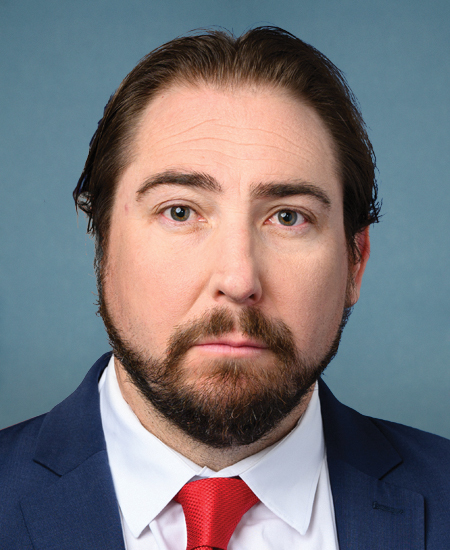
119th Congress Introduced by Eli Crane and 2 co-sponsors

Prohibits former Members of Congress and former elected officers from lobbying Congress at any time after leaving office.

Introduced in House
0
WeVote Research Nonpartisan
Bill Summary · HR 9130

Summary of HR 9130 (119th Congress)

Purpose and intent

HR 9130 would amend title 18 of the United States Code to prohibit former Members of Congress and former elected officers from lobbying Congress at any time after leaving office. The core aim is to prevent former officials from leveraging their prior position to influence current Members of Congress through lobbying activities.

Key provisions and changes

  • Prohibition on lobbying: The bill would bar former Members of Congress and former elected officers from acting as lobbyists before Congress after they depart office. The exact scope (e.g., definitions of “lobbyist,” “former Member or elected officer,” and “before Congress”) would be established within the statute text.
  • Timing and duration: The prohibition is stated to apply “at any time after leaving office,” indicating no sunset or temporary window; there would be no post-office cooling-off period in which former officials are exempt.
  • Enforcement and penalties: The bill would specify penalties for violations, typically including criminal penalties under 18 U.S.C., potential fines, and/or other remedies for attempting to influence Congress after leaving office.
  • Definitions and related provisions: The measure would provide statutory definitions for key terms (e.g., who counts as a former Member or elected officer, what constitutes lobbying, and which individuals or entities are covered) to ensure clear application.

Who would be affected

  • Former Members of Congress (both House and Senate) and former elected officers who, under current law, might engage in lobbying activities before Congress.
  • Lobbying entities and individuals who employ or contract with former lawmakers to advocate before congressional offices.
  • Congress and congressional staff, who would operate under new restrictions designed to limit influence from former colleagues.

Procedural and timeline aspects

  • Status: Introduced in the House and referred to the Committee on the Judiciary on June 3, 2026.
  • Next steps (typical process): The Judiciary Committee would review, hold hearings if scheduled, and potentially amend the bill before reporting it to the full House for consideration. If reported, it would proceed through the House floor and, subsequently, would need action in the Senate or alignment with Senate companion measures and potential reconciliation.

Potential impact and considerations

  • Public interest and ethics expectations: The measure aligns with broader concerns about “cooling-off” periods and reducing potential conflicts of interest after holding public office.
  • Practical enforcement: The effectiveness hinges on the clarity of definitions and the ability to monitor and prove lobbying activity before Congress after departure.
  • Bipartisan reception: Co-sponsors include members from different political backgrounds, but exact legislative fate will depend on committee priorities and broader negotiations on ethics and lobbying reform.

Note: The summary reflects the information available in the bill’s heading and action history. For a complete understanding, the full text would be needed to capture all defined terms, specific penalties, and procedural details.

Compiled from official sources — confirm details with the bill’s official record.

Sign in to ask a question.