

WeVote

Bill

Bill

HR 6924

To amend title 18, United States Code, to extend to matter left for collection by private or commercial interstate carriers the same protections as matter carried throughout the country as interstate or foreign commerce.

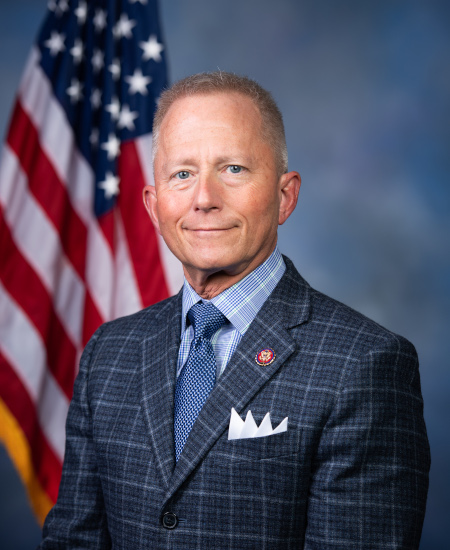
119th Congress Introduced by Jeff Van Drew and 9 co-sponsors

Extends interstate/foreign commerce protections to materials left with private/interstate carriers for collection, shielding parcels with the same safeguards as carried goods.

Introduced in House
4
WeVote Research Nonpartisan
Bill Summary · HR 6924

Summary of H.R. 6924 (introduced December 23, 2025)

Overview

  • Bill Number: H.R. 6924
  • Title: To amend title 18, United States Code, to extend to matter left for collection by private or commercial interstate carriers the same protections as matter carried throughout the country as interstate or foreign commerce.
  • Status: Introduced in the House of Representatives
  • Introduction Date: December 23, 2025
  • Initial Referral: House Committee on the Judiciary

Purpose and Intent

The bill seeks to extend existing protections that apply to items or communications carried in interstate or foreign commerce to a new category: material left for collection by private or commercial interstate carriers (e.g., parcels or other items handed over to carriers for delivery). In short, it aims to ensure that materials left with private carriers for interstate delivery receive the same protections currently afforded to goods and communications transported across state or national borders.

Key Provisions (as described)

  • Amendment to Title 18: The core change is a statutory amendment to the United States Code (title 18) to broaden the scope of protection.
  • Extension of Protections: Items left with private or commercial interstate carriers would be treated under the same protections that apply to matter carried in interstate or foreign commerce. This implies applying comparable privacy, handling, or legal safeguards to those materials.
  • Scope of Coverage: Applies specifically to material left for collection by private or commercial interstate carriers, aligning its status with materials actively transported across state lines or international borders.

Note: The summary is based on the bill’s stated description. The precise legal language, definitions, and the exact protections extended would be clarified in the full text of the amended statute.

Who Would Be Affected

  • Private and Commercial Interstate Carriers: Entities that handle and transport goods or communications across state lines would be directly impacted, as the bill would impose or codify protections for materials left with them.
  • Recipients/Shippers: Individuals and businesses relying on these carriers for interstate delivery could see changes in how their left-behind materials are treated and safeguarded.
  • Law Enforcement and Legal Framework: Depending on the substantive protections extended, law enforcement processes involving such materials could be affected (e.g., warrants, search, privacy standards) consistent with existing protections for interstate/foreign commerce.

Procedural and Timeline Aspects

  • Introduction: December 23, 2025.
  • Referral: House Committee on the Judiciary.
  • Next Steps (likely): If advanced, the bill would move through committee markup, potential amendments, and then floor consideration in the House. If passed, it would proceed to the Senate (and potentially to conference if there are differences) for consideration and potential enactment.

Practical Implications and Considerations

  • The bill aims to harmonize protections for materials left with carriers with protections already afforded to items in interstate/foreign commerce.
  • Key questions for implementation will include the exact definitions of “matter” and “left for collection,” the nature of the protections extended (privacy, seizure, retention, access by authorities), and any transitional provisions.
  • Stakeholders likely to monitor include parcel carriers, privacy advocates, businesses relying on private carriers, and legal practitioners interpreting 18 U.S.C. protections.

For readers seeking the concrete text and exact legal standards, the next step is to review the bill’s full language once it is published by Congress and any accompanying committee reports.

Compiled from official sources — confirm details with the bill’s official record.

Sign in to ask a question.