

WeVote

Bill

Bill

HR 9111

To amend title 11 of the United States Code to stop abusive student loan collection practices in bankruptcy cases.

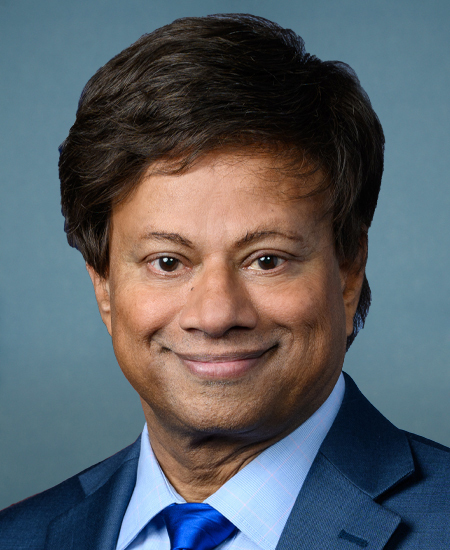
119th Congress Introduced by Shri Thanedar

The bill seeks to curb abusive student loan collection in bankruptcy by tightening discharge standards and protections for debtors.

Introduced in House
0
WeVote Research Nonpartisan
Bill Summary · HR 9111

Summary of HR 9111 (Session 119)

Purpose and intent

HR 9111 aims to amend title 11 of the United States Code (the Bankruptcy Code) to curb abusive student loan collection practices in bankruptcy cases. The bill seeks to improve protections for debtors facing student loan obligations by adjusting how student loan debts are treated during bankruptcy proceedings and reducing the potential for aggressive or inappropriate collection actions.

Key provisions and changes (proposed)

  • Modification of bankruptcy treatment for student loan debt: The legislation would alter current rules governing the dischargeability and treatment of student loans in Chapter 7 and/or Chapter 13 bankruptcies, with the goal of preventing abusive or overly aggressive collection practices.
  • Protections from abusive collection tactics: The bill targets practices seen as unfair or coercive by lenders or collection agencies within the bankruptcy process, aiming to ensure debtors are not subjected to excessive harassment, improper garnishment triggers, or other predatory techniques.
  • Clarification of discharge standards: The bill may propose clearer criteria or standards for when student loan debts can be discharged or rehabilitated through bankruptcy, potentially including considerations of hardship or other equitable factors.
  • Interaction with existing federal student loan programs: Provisions may address how ongoing federal student loan programs and rehabilitation options interact with bankruptcy relief, ensuring consistency with federal protections and existing repayment programs.
  • Administrative and procedural adjustments: The measure could include procedural changes to bankruptcy filings, proofs of claim, or timelines to streamline handling of student loan components and to facilitate appropriate court oversight.

Note: The summary above reflects typical elements of bills that seek to reform student loan handling in bankruptcy. The exact sections, numerical changes (e.g., discharge standards, hardship tests), and procedural specifics would be defined in the bill’s text.

Who would be affected

  • Debtors with student loan debt who seek relief in bankruptcy courts could see changes in discharge outcomes and protection from abusive collection practices.
  • Creditors and government-held student loan programs (e.g., federal student loan agencies) would be affected by any revised discharge standards and procedural requirements.
  • Bankruptcy courts and trustees would implement new rules, procedures, and oversight mechanisms related to student loan claims and collection actions.
  • Consumer protection and financial aid enforcement entities could see aligned responsibilities to enforce the updated protections.

Procedural and timeline aspects

  • Introduction and referral: The bill was introduced in the House and referred to the House Committee on the Judiciary on June 2, 2026.
  • Next steps: If advanced by the Judiciary Committee, the bill would proceed to full House floor consideration, potential amendments, and, if passed, would move to the Senate for consideration. Timelines depend on committee throughput and legislative priorities.

Sponsor

  • Co-sponsor: Shri Thanedar

Practical considerations and potential impact

  • Benefits: The bill has the potential to reduce predatory collection practices within bankruptcy proceedings and to provide clearer pathways for appropriate relief for borrowers with student loan debt.
  • Trade-offs: Changes to discharge standards or protection mechanisms could affect creditors’ recovery options and the administration of bankruptcy cases.
  • Data and monitoring: Effectiveness would depend on implementation, court interpretations, and any related regulatory guidance from relevant agencies.

If the full text becomes available, a more detailed section-by-section analysis including specific discharge provisions, hardship criteria, and effective date would be provided.

Compiled from official sources — confirm details with the bill’s official record.

Sign in to ask a question.