

WeVote

Bill

Bill

HR 9459

To amend the Truth in Lending Act to modernize disclosure requirements, establish materiality standards and safe harbors for mortgage disclosures, simplify waiting period requirements, expand tolerances for annual percentage rate accuracy, and for other purposes.

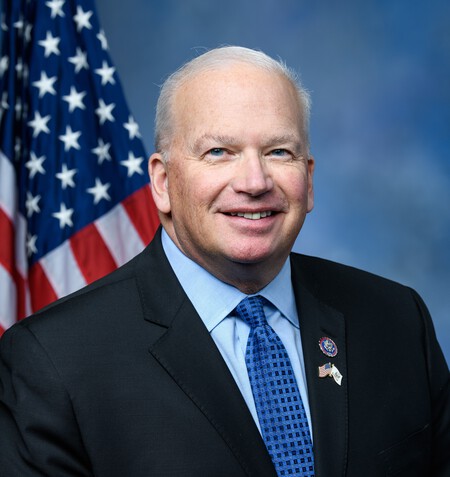
119th Congress Introduced by Scott Fitzgerald

HR 9459 would modernize TILA mortgage disclosures by clarifying materiality, creating safe harbors, streamlining waiting periods, and expanding APR tolerances.

Introduced in House
0
WeVote Research Nonpartisan
Bill Summary · HR 9459

Overview

HR 9459, introduced in the 119th Congress and referred to the House Committee on Financial Services, seeks to amend the Truth in Lending Act (TILA) to modernize mortgage disclosure requirements. The bill aims to clarify materiality standards, establish safe harbors for mortgage disclosures, simplify waiting period requirements, expand tolerances for annual percentage rate (APR) accuracy, and address related miscellaneous provisions. The bill has at least one sponsor, with Scott Fitzgerald listed as a co-sponsor.

Purpose and intent

  • Improve clarity and accuracy of mortgage disclosures provided to consumers.
  • Modernize the disclosure framework under TILA to reflect current mortgage markets, products, and technologies.
  • Reduce ambiguity about what constitutes material disclosures and when lenders must provide certain information.
  • Create predictable safe harbors to minimize litigation risk for lenders related to disclosure misstatements.
  • Streamline and simplify statutory waiting period requirements for disclosures to borrowers.
  • Allow greater flexibility in tolerance levels for APR calculations to reflect real-world measurement and disclosure practices.

Key provisions and changes

Note: The exact text of HR 9459 is not provided here, but the bill aims to implement several broad changes:

  • Materiality standards: Establish or refine criteria for determining what mortgage disclosures are considered material to a borrower’s decision, potentially limiting claims based on immaterial items.
  • Safe harbors for disclosures: Create safe harbor protections for lenders when disclosures meet standardized standards or thresholds, reducing risk of liability for minor or technical inaccuracies.
  • Waiting period simplification: Modify or shorten the statutory waiting periods between certain disclosures (e.g., initial disclosures, updated disclosures, and closing disclosures) to streamline the loan process.
  • APR tolerances: Expand the acceptable tolerance ranges for APR accuracy, allowing more leeway in how closely disclosed APR must match the true APR at closing.
  • Other related provisions: Possible adjustments to related TILA requirements, definitions, and enforcement mechanisms to align with modern mortgage lending practices.

Who/what would be affected

  • Mortgage lenders and loan originators: Changes likely impact disclosure workflows, timing, and risk management through new materiality standards, safe harbors, and APR tolerances.
  • Borrowers/consumers: Potentially receive disclosures that are clearer and more standardized, with faster or more predictable timing in loan disclosures and closing processes.
  • Regulators and compliance teams: New standards and safe harbors would influence examination, enforcement, and internal compliance programs.
  • Industry stakeholders: Mortgage insurers, brokers, and ancillary service providers may be affected by revised disclosure requirements.

Procedural and timeline aspects

  • Action history indicates: Introduction in the House and referral to the Committee on Financial Services on June 25, 2026.
  • No further timeline details provided in the summary; typically, after committee consideration, the bill would proceed to floor consideration, potential amendments, and votes in the House, and, if passed, could move to the Senate for parallel consideration.
  • Co-sponsor: Scott Fitzgerald, signaling some cross-party or bicameral support could be pursued, though the current status beyond committee referral is not specified.

Potential impact and considerations

  • Legal and compliance: Lenders would need to adjust disclosure templates, training, and systems to align with new materiality determinations, safe harbor criteria, and expanded APR tolerances.
  • Consumer protection: If designed effectively, the changes could reduce confusion from multiple disclosures and provide clearer expectations regarding what must be disclosed and when.
  • Economic: Changes to waiting periods and tolerances could influence closing timelines and the cost of compliance, with potential impacts on loan pricing and underwriting workflows.

Note

Detailed legislative text is not provided here, so specific section-by-section analyses, exact safe harbor language, and exact numerical tolerances cannot be cited. Readers should consult the bill’s text and summary as released by Congress for precise provisions and definitions.

Compiled from official sources — confirm details with the bill’s official record.

Sign in to ask a question.