

WeVote

Bill

Bill

HR 9275

To amend the Truth in Lending Act to include buy now, pay later loans and issuers of such loans in the definition of credit card and credit issuer, respectively, and for other purposes.

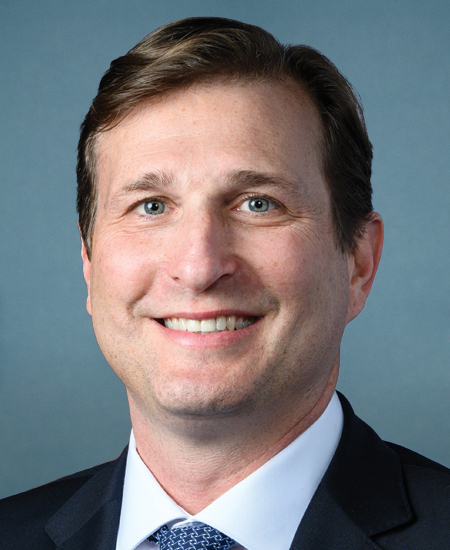
119th Congress Introduced by Dan Goldman

BNPL loans would be treated like credit cards under TILA, requiring standardized disclosures and consumer protections for BNPL lenders and users.

Introduced in House
0
WeVote Research Nonpartisan
Bill Summary · HR 9275

Summary of HR 9275 (Session 119)

Purpose and intent

  • HR 9275 seeks to amend the Truth in Lending Act (TILA) to expand coverage to buy now, pay later (BNPL) loans and the issuers of those loans.
  • The core goal is to treat BNPL products and BNPL lenders the same as traditional credit cards and credit card issuers for purposes of disclosure, regulation, and consumer protections under TILA.

Key provisions and changes

  • Inclusion in definitions: BNPL loans and BNPL loan issuers would be included within the definitions of “credit card” and “credit issuer,” respectively, under TILA.
  • Disclosure requirements: By aligning BNPL with credit cards, lenders would be subject to TILA’s disclosure requirements. This typically includes clear information about annual percentage rate (APR), fees, payment schedules, total costs, and other terms of credit.
  • Interest and fee disclosures: BNPL arrangements would be required to provide standardized, transparent disclosures comparable to those required for credit cards, potentially including APRs (where applicable), late fees, and other costs.
  • Consumer protection enhancements: The bill aims to extend TILA protections to BNPL users, potentially improving protections around billing practices, billing error rights, and dispute resolution aligned with existing credit card provisions.
  • Regulatory alignment: By classifying BNPL under the umbrella of credit card regulation, BNPL activities would fall under the supervisory framework applicable to credit issuers, potentially involving compliance expectations from lenders, originators, and merchants participating in BNPL arrangements.

Who and what is affected

  • BNPL lenders and issuers: Firms that offer BNPL products would be treated similarly to credit card issuers, bringing them under TILA’s regulatory and disclosure framework.
  • Borrowers/Consumers: Consumers using BNPL products would gain access to standardized disclosures and protections designed to improve transparency and help compare costs across credit products.
  • Merchant participants: Merchants offering BNPL at checkout may face broader regulatory oversight of the financing option they provide via BNPL programs, though the bill primarily targets lenders and disclosures under TILA.

Procedural and timeline aspects

  • Intro and referral: Introduced in the House and immediately referred to the Committee on Financial Services (as of June 11, 2026).
  • Sponsorship: Co-sponsored by Rep. Dan Goldman.
  • Next steps: If reported out of the Financial Services Committee, the bill would proceed through further House consideration (and potentially Senate action) according to the regular legislative process. Timeline depends on committee action, scheduling, and legislative priorities.

Potential impact (high-level)

  • BNPL products would face enhanced disclosure requirements and consumer protections comparable to traditional credit products.
  • The change could influence BNPL pricing, terms, and dispute resolution processes, potentially increasing compliance costs for BNPL providers and encouraging greater transparency for consumers.
  • The scope of “credit” definitions in TILA would broaden, aligning BNPL activity with federal consumer lending standards and supervision.

If you’d like, I can tailor this summary to a specific audience (e.g., policymakers, consumers, industry stakeholders) or compare it with existing TILA provisions and current BNPL regulatory approaches.

Compiled from official sources — confirm details with the bill’s official record.

Sign in to ask a question.