

WeVote

Bill

Bill

HR 9491

To amend the Small Business Act to provide re-entry entrepreneurship counseling and training services for incarcerated individuals, and for other purposes.

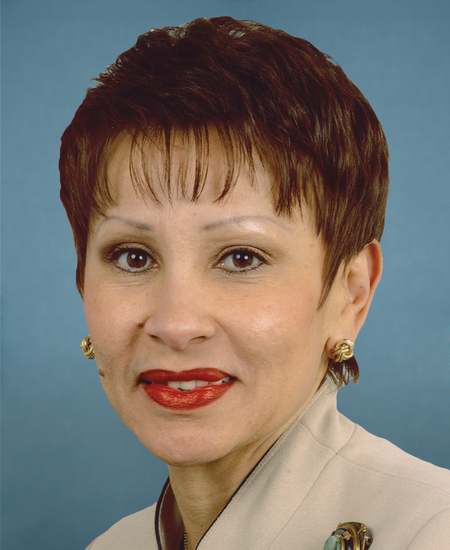
119th Congress Introduced by Nydia Velázquez

The bill would add re-entry entrepreneurship counseling and training for incarcerated and recently released individuals within SBA-supported programs to help start or grow small bu

Introduced in House
0
WeVote Research Nonpartisan
Bill Summary · HR 9491

Summary of HR 9491 (119th Congress)

Purpose and intent

HR 9491 seeks to amend the Small Business Act to expand entrepreneurship resources by specifically providing re-entry entrepreneurship counseling and training services for individuals who are incarcerated. The measure aims to support reentry into the workforce and self-employment for formerly incarcerated individuals by offering targeted business training and counseling as part of federal small business support programs.

Key provisions and changes

  • Amendment to the Small Business Act: The bill would modify the existing Small Business Act to authorize or require the provision of re-entry entrepreneurship counseling and training services.
  • Counseling and training focus: Services would target incarcerated individuals preparing for release, with the goal of enabling them to launch, operate, or grow small businesses post-incarceration.
  • Program integration: Re-entry entrepreneurship services would be integrated into existing small business assistance frameworks, potentially leveraging SCORE, Small Business Development Centers (SBDCs), and related federal programs that support entrepreneurship and small business development.
  • Scope of services: Counseling could include business planning, market research, financial literacy, access to capital, management skills, and mentorship to facilitate successful self-employment or small business creation after release.
  • Coordination and administration: The bill would outline mechanisms for administering and coordinating these services, likely involving the Small Business Administration (SBA) and its partner networks.
  • Non-discrimination and accessibility: As with federal programs, provisions would likely emphasize equitable access to services and non-discrimination in program delivery, ensuring eligible incarcerated or recently released individuals can participate.

Who would be affected

  • Primary beneficiaries: Individuals who are incarcerated or recently released and seeking to start or grow small businesses.
  • program administrators and partner organizations: SBA, Small Business Development Centers, SCORE, and other SBA-supported entities involved in counseling, mentoring, and training services.
  • Potential employees and communities: By enabling reentry through entrepreneurship, beneficiaries could contribute to local employment and economic activity, particularly in underserved or high-revocation-risk communities.

Procedural and timeline aspects

  • Legislative status: As of the latest action, HR 9491 has been introduced and referred to the House Committee on Small Business (June 25, 2026). No further committee action, floor votes, or enactment dates are provided in the record.
  • Sponsor information: Co-sponsored by Representative Nydia Velázquez, indicating bipartisan or cross-cutting interest in entrepreneurship and reentry initiatives.
  • Implementation timeline: The bill text would specify any effective dates, funding authorizations, and program start timelines upon the committee’s consideration and potential passage. Absent the final text, exact funding levels and phased implementation details remain unknown.

Potential impact and considerations

  • Economic and social impact: If enacted, the bill could enhance reentry outcomes by increasing employment options through self-employment, potentially reducing recidivism and increasing community-based economic activity.
  • Funding and resources: The bill would rely on SBA programs and partners to deliver services; funding levels and administrative costs would shape effectiveness.
  • Evaluation and accountability: Implementation would likely include performance measures (e.g., number of participants, business startups, retention rates) to assess impact on reentry success.

If you’d like, I can tailor this summary to include hypothetical budget figures or compare with existing reentry or entrepreneurship programs for additional context.

Compiled from official sources — confirm details with the bill’s official record.

Sign in to ask a question.